Current Affairs

pib_logo

And other top trusted sources

August 7, 2026

Environment

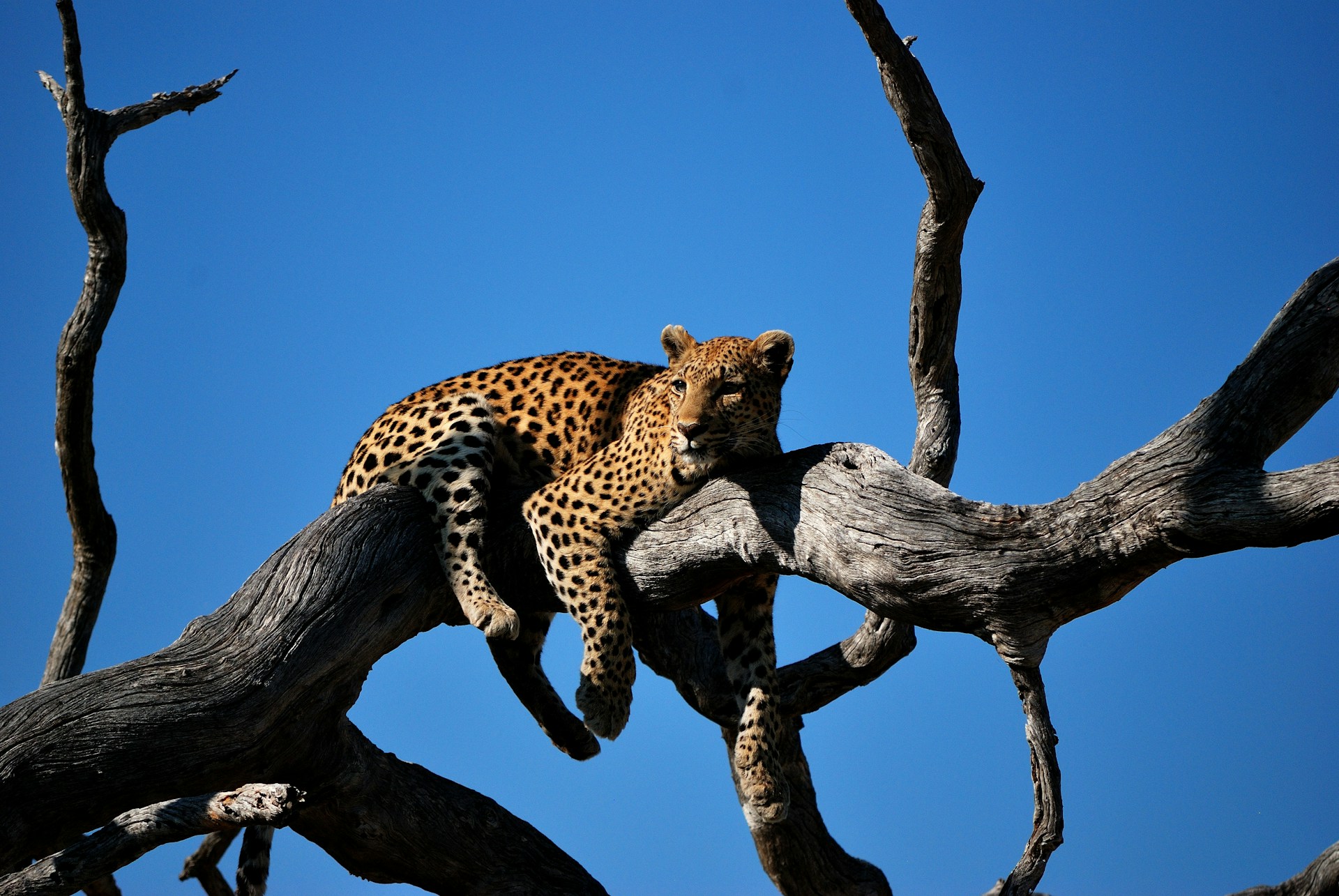
India Launches National Clouded Leopard Conservation Action Plan

India launched its first national Clouded Leopard Conservation Action Plan on International Clouded Leopard Day (August 4). Prepared under a joint Government of India-GEF-UNDP initiative with the Wildlife Institute of India, it identifies 14 conservation zones in Northeast India, mandates surveys (camera traps, occupancy modelling, genetic analysis, eDNA), uses M-STrIPES for anti-poaching patrol monitoring, adopts adaptive management for high-altitude habitats, and reduces conflict. Species: Neofelis nebulosa/Neofelis diardi; IUCN: Vulnerable; <10,000 mature individuals. The day was instituted in 2018 by the Aspinall Foundation (UK), highlighting deforestation and illegal trade.
India Launches National Clouded Leopard Conservation Action Plan
News On AirNews On Air

Science & Technology

IN-SPACe Issues Authorisation Guidelines for Planned Re-entry of Space Objects

IN-SPACe issued guidelines mandating authorisation for planned re-entry (controlled return of satellites/launch vehicles/space objects with managed landing area, time or trajectory), unlike uncontrolled atmospheric decay. Indian entities need approval even outside India; foreign entities only via Indian-incorporated firms. Casualty risk must be <1/10,000, with mandatory third-party liability insurance and full company risk. Disclose intent at application, re-verify 3 months prior; late decisions apply ≥6 months before. Full burn-up disposals exempt. Submit mission/trajectory, de-orbit/failure, fragmentation/survivability, casualty/reliability, danger zones/mitigation; IN-SPACe advisory enables NOTAMs and maritime notices; amend authorisation if parameters change.

IN-SPACe Issues Authorisation Guidelines for Planned Re-entry of Space Objects
Read moreRead more
Science & Technology

Union Health Ministry Flags Hexavalent Vaccine for Universal Immunisation Programme

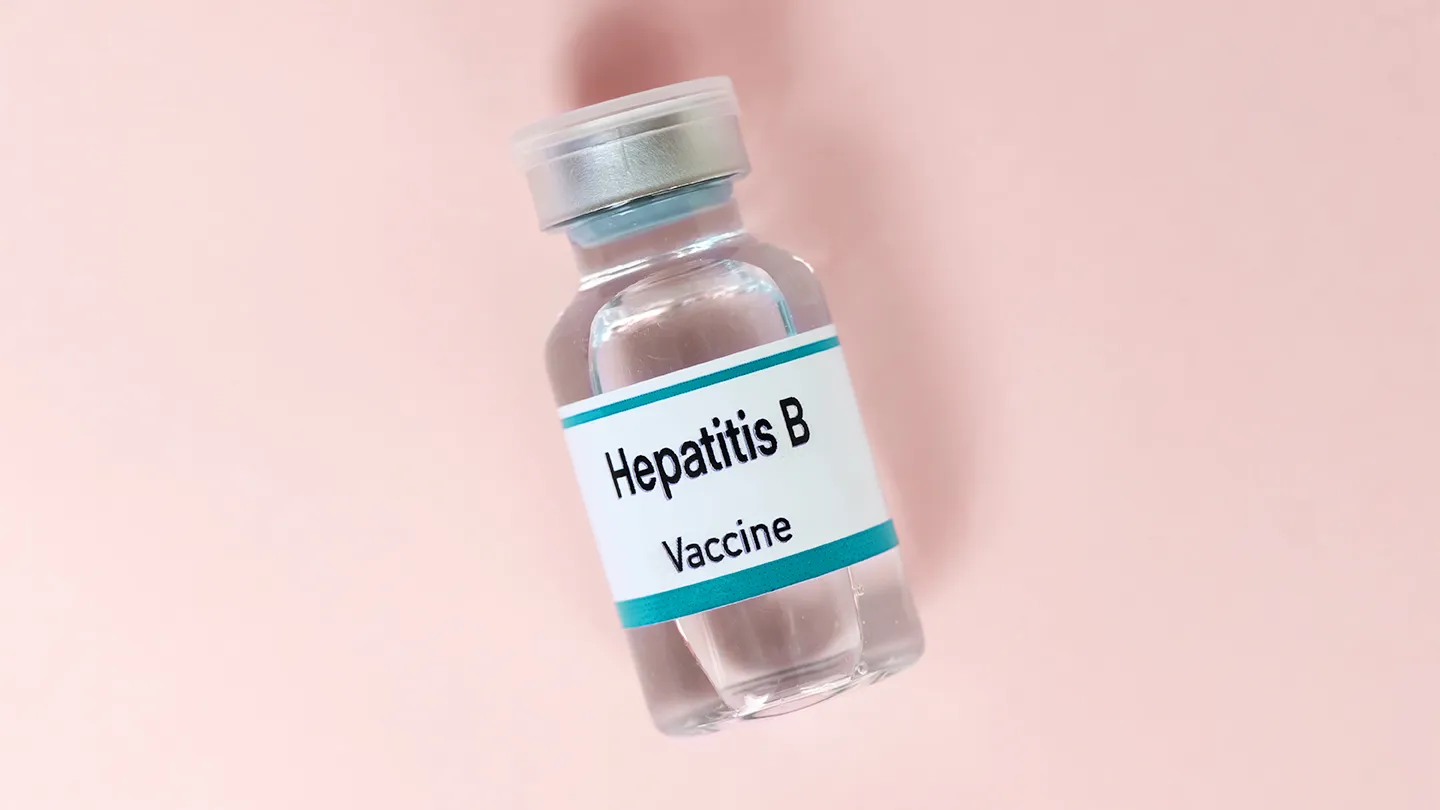
A Union Health Ministry study with partner organisations recommends introducing a hexavalent (six-in-one) vaccine under the Universal Immunisation Programme to reduce infant injections. It combines protection against diphtheria, tetanus, pertussis, Hepatitis B, Hib and polio, improving operational efficiency, saving time and easing frontline workload. It notes system-level savings if price falls 50%, and scenarios replacing pentavalent plus fractional IPV and using a hexavalent booster.

Union Health Ministry Flags Hexavalent Vaccine for Universal Immunisation Programme
The HinduThe Hindu
Science & Technology

India’s First Indigenous African Swine Fever Vaccine

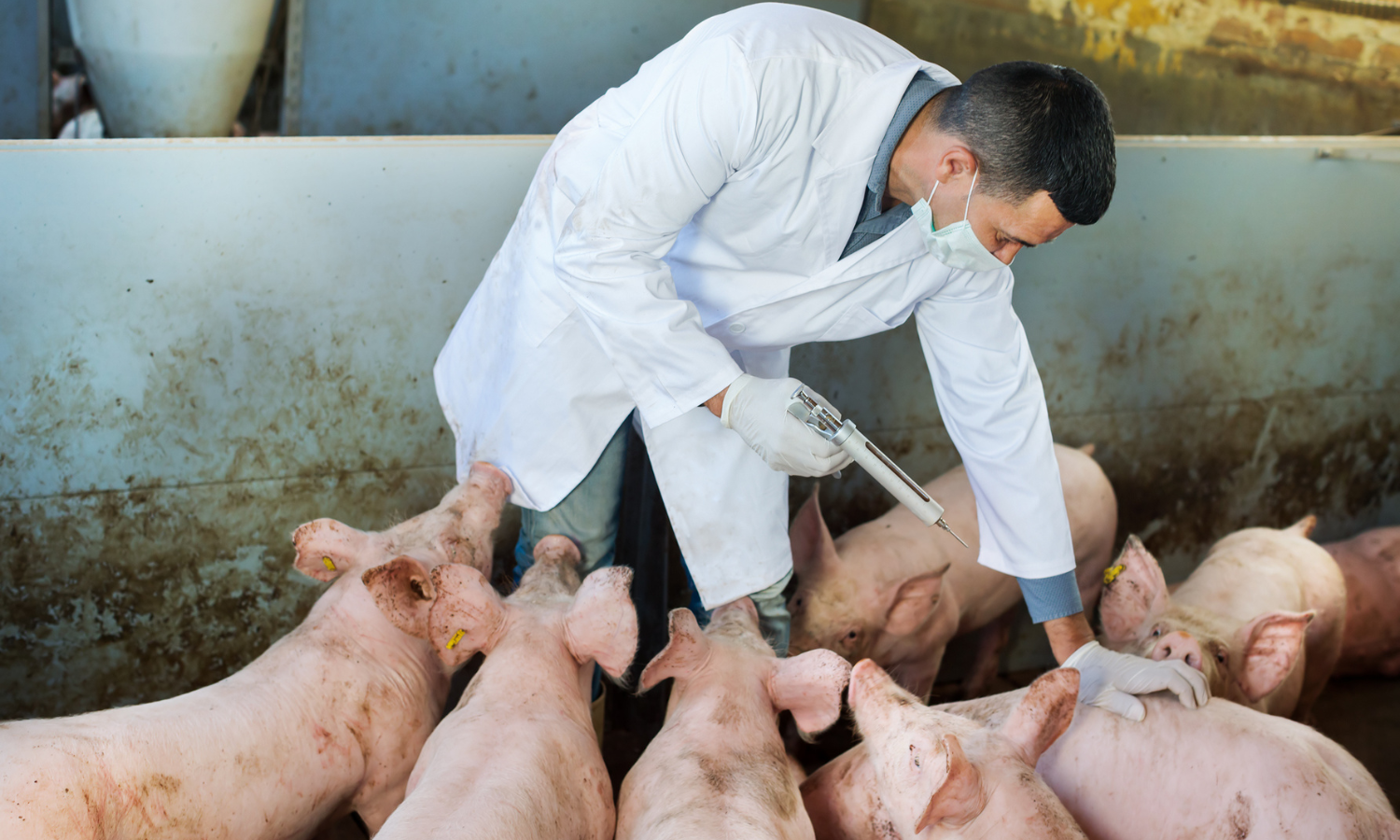
Scientists at ICAR-National Institute of High Security Animal Diseases (ICAR-NIHSAD) developed India’s first indigenous African Swine Fever (ASF) vaccine, a live attenuated, MA-104 cell line-based vaccine. ASF is a highly contagious viral disease caused by African Swine Fever Virus (ASFV), affecting only domestic and wild pigs, with mortality up to 100% and no human health risk. It spreads via infected pigs, contaminated pork products, fomites and soft ticks, causing severe economic losses; the vaccine strengthens preparedness, livelihoods, swine industry and veterinary biotechnology.

India’s First Indigenous African Swine Fever Vaccine
PIBPIB
Reports

World Bank’s World Development Report 2026 Flags AI for Inclusive Growth

The World Bank’s World Development Report (WDR) 2026 highlights artificial intelligence (AI) as a transformative technology for accelerating inclusive economic growth in developing nations. It estimates that 4.5% of jobs in developing countries face AI automation, while 16.2% may see productivity amplification. It recommends a three-step approach: adopt existing AI tools, adapt them to local contexts (“Small AI”), and advance frontier capabilities, supported by reliable electricity, internet, digital public infrastructure (DPI) and skills.

World Bank’s World Development Report 2026 Flags AI for Inclusive Growth
Down to EarthDown to Earth

August 6, 2026

Sports

India to Host 2030 Commonwealth Games in Ahmedabad, Gujarat

India will host the 2030 Centenary Commonwealth Games in Ahmedabad, Gujarat, becoming the first Asian nation to host CWG more than once (after Delhi 2010). Held every four years, CWG began as the British Empire Games; first edition: Canada (1930); India debuted in the 2nd edition (1934). 72 CGAs participate; hosts may add up to two sports. The Commonwealth has 56 members; London Declaration (1949) enabled republics; Gabon and Togo joined in 2022.

India to Host 2030 Commonwealth Games in Ahmedabad, Gujarat
LivemintLivemint
Places in News

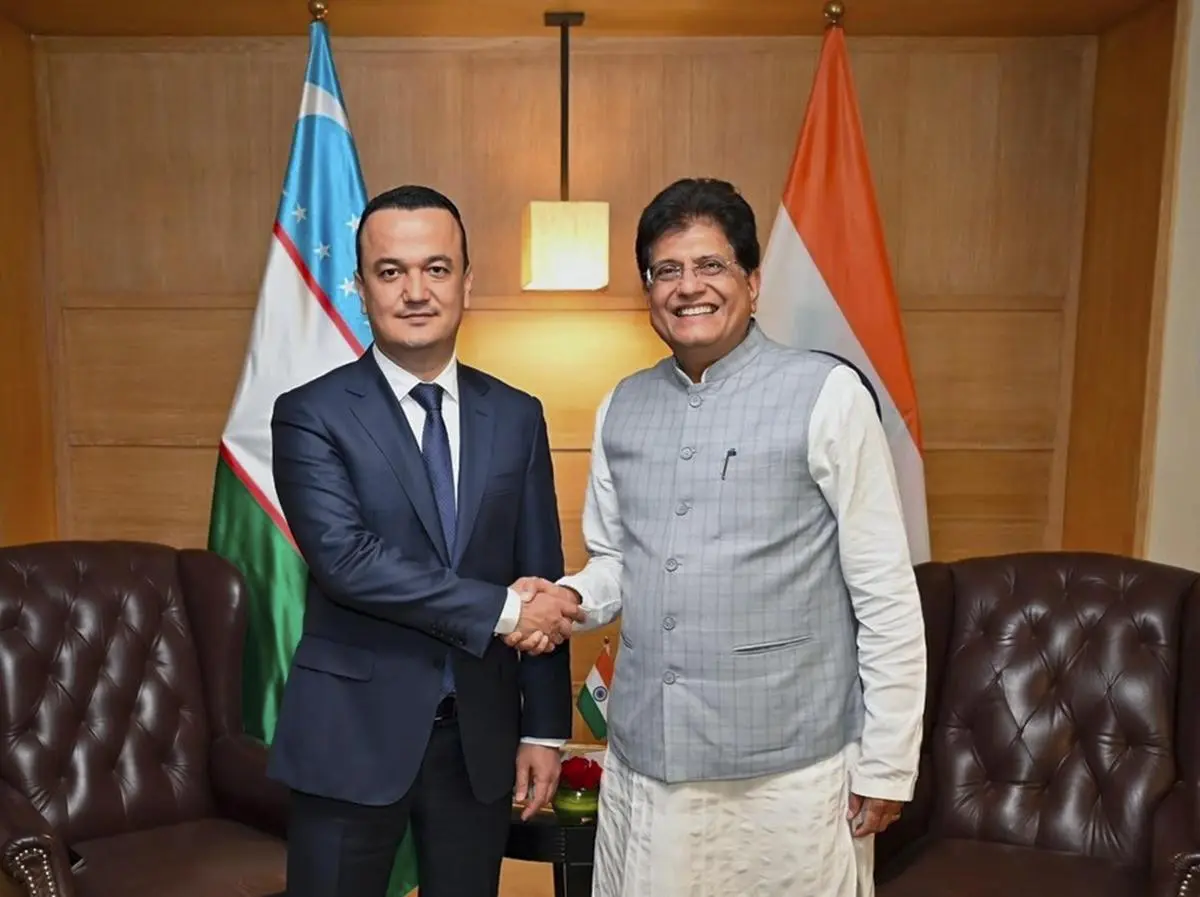
India-Uzbekistan Seek to More Than Double Bilateral Trade

India and Uzbekistan aim to more than double bilateral trade in the next three years. Uzbekistan’s capital is Tashkent. Located in Central Asia, it is one of only two doubly landlocked countries. It borders Kazakhstan, Kyrgyzstan, Tajikistan, Afghanistan and Turkmenistan. Aral Sea lies between southern Kazakhstan and northern Uzbekistan; major rivers Amu Darya, Syr Darya; lakes Ayddrkul, Sarykamish; KyzylKum Desert; highest peak Hazrat Sultan; resources include gold, zinc, lead, copper, uranium, tungsten; oil-gas in Tadzhik-Fergana and Amu Darya basins.

India-Uzbekistan Seek to More Than Double Bilateral Trade
LivemintLivemint
Economy

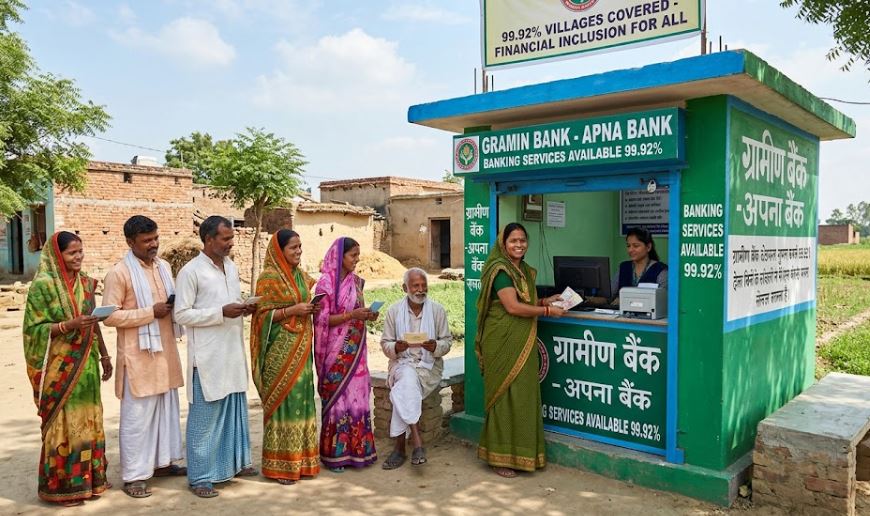
India Achieves 99.92% Village Banking Access Within 5 km Radius

India reported near-universal banking access: 99.92% inhabited villages (6,00,868 of 6,01,328) have a banking outlet within 5 km. Network includes 1.81 lakh+ branches, 17.36 lakh Business Correspondents and 1.65 lakh IPPB centres. PMJDY has 58.77 crore accounts with ₹3.12 lakh crore deposits; JAM supports DBT. RBI permits branch opening without prior approval, with 25% in unbanked rural areas. Jan Dhan Darshak offers GIS mapping; Jan Samarth enables credit schemes; Kisan Rin Portal supports Aadhaar-based KCC verification. IDPIC uses AI for fraud detection; cyber fraud reporting via National Cybercrime Reporting Portal and 1930 helpline.

India Achieves 99.92% Village Banking Access Within 5 km Radius
PIBPIB
Schemes

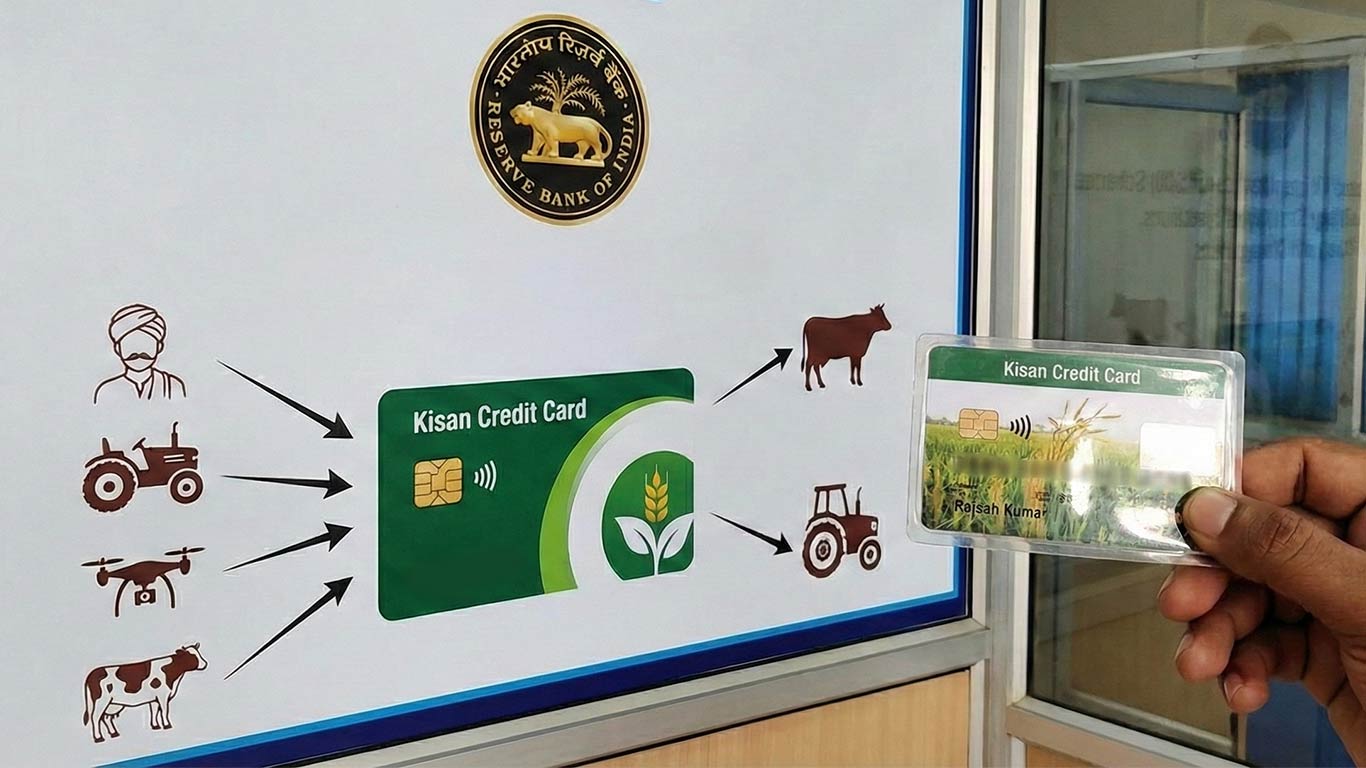
KCC-Modified Interest Subvention Scheme

A third-party assessment reports that the Kisan Credit Card–Modified Interest Subvention Scheme (KCC-MISS) improves agricultural productivity, income diversification and access to affordable credit. Governed by the Ministry of Agriculture & Farmers Welfare, it operates through banks under the KCC framework. It provides 1.5% interest subvention to banks on short-term crop loans up to ₹3 lakh; farmers pay 7% interest, with 3% Prompt Repayment Incentive lowering effective rate to 4%.

KCC-Modified Interest Subvention Scheme
PIBPIB
Judiciary

Supreme Court Extends IPC Section 498A Protection to Live-in Relationships

Supreme Court held IPC Section 498A covers women in live-in relationships “in the nature of marriage,” enabling prosecution for domestic cruelty. Section 498A (IPC, 1860) criminalises cruelty by husband/relatives, including physical or mental cruelty and dowry-related harassment; it is cognizable, non-bailable and non-compoundable. Under Bharatiya Nyaya Sanhita, 2023, Section 498A is replaced by Sections 85 and 86, continuing punishment for such cruelty.

Supreme Court Extends IPC Section 498A Protection to Live-in Relationships
Read moreRead more
Science & Technology

NOTTO Launches Real-Time National Organ Transplant Portal and Mobile App

NOTTO launched a real-time national organ transplant portal and mobile app to digitise India’s transplantation ecosystem. It enables a unified waiting list auto-generated from hospital uploads; transparent, traceable allocation; inter-hospital/intra- and inter-state movement; national swap (paired kidney exchange) matching for nearly 1 lakh patients; and a national outcome registry. It coordinates hospitals with SOTTOs/ROTTOs, supports Aadhaar-linked pledges and regulatory processes, and is to be fully functional in 2 months.

NOTTO Launches Real-Time National Organ Transplant Portal and Mobile App
Indian ExpressIndian Express

August 5, 2026

Environment

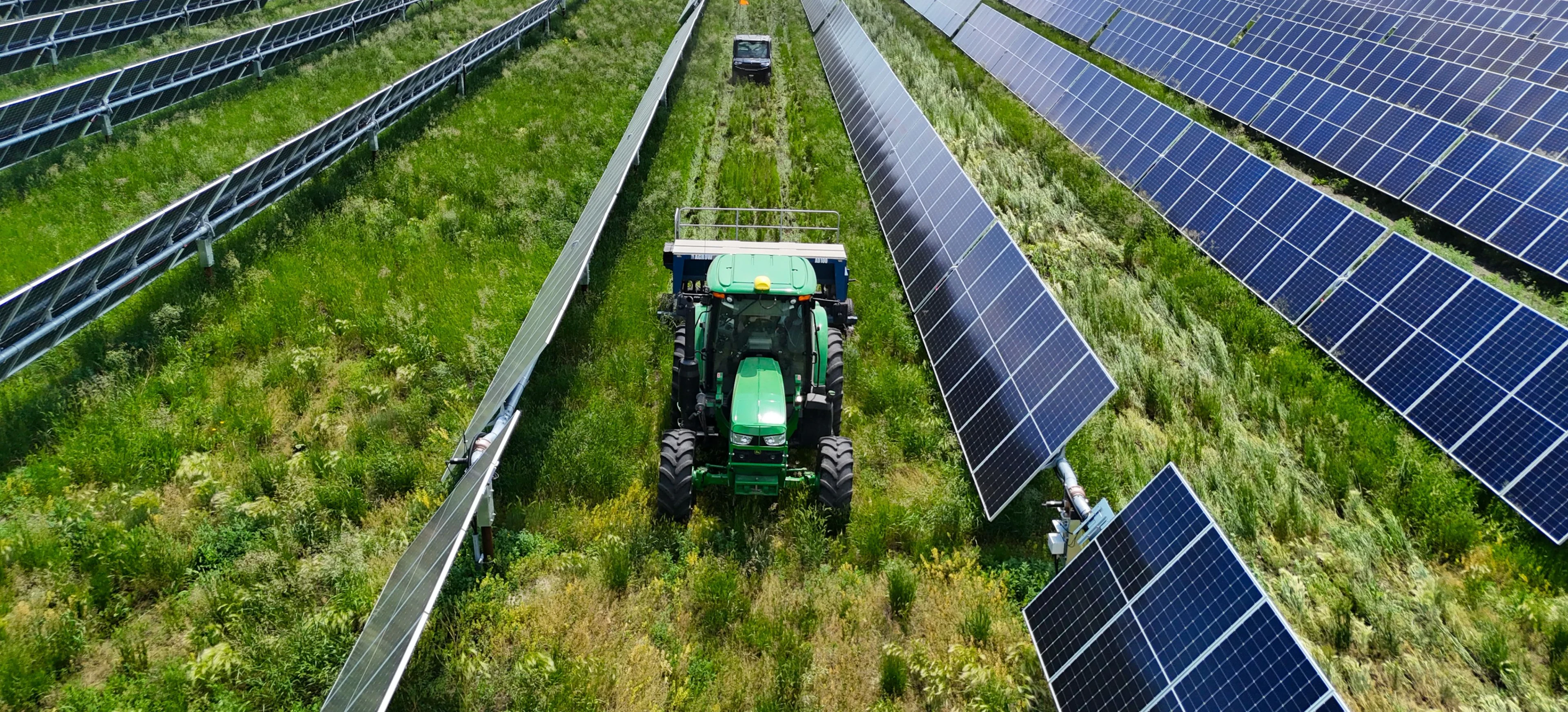
Agrivoltaics and Food Security: Meeting Rising Energy Demand

Agrivoltaics, seen as balancing rising energy demand with food security, involves using the same land for solar photovoltaic power generation and agriculture via elevated solar panel structures. The term was coined in 1981 by German scientists Adolf Goetzberger and Armin Zastrow. Panels enable machinery operation beneath, with crops in partial shade, improving dual land-use efficiency, farmer income, and microclimates reducing water loss and heat stress.

Agrivoltaics and Food Security: Meeting Rising Energy Demand
Indian ExpressIndian Express
Defence

Indian Army Launches Xtreme Weather Grade Diesel for LAC and LoC Winter Operations

Indian Army launched indigenously developed Xtreme Weather Grade (XWG) diesel to enhance combat readiness in extreme cold along the LAC and LoC. Jointly developed with oil marketing companies in under a year, it functions at minus 42°C, meets BS‑VI and IS 1460:2025, and is compatible across existing fleets without modifications. It ensures uninterrupted operation of T‑90/T‑72 tanks, BMP‑2K, K‑9 Vajra and logistics; supports Nyoma and Daulat Beg Oldie facilities above 14,500 ft; extended to civilians in extreme-winter regions.

Indian Army Launches Xtreme Weather Grade Diesel for LAC and LoC Winter Operations
Economic TimesEconomic Times
Reports

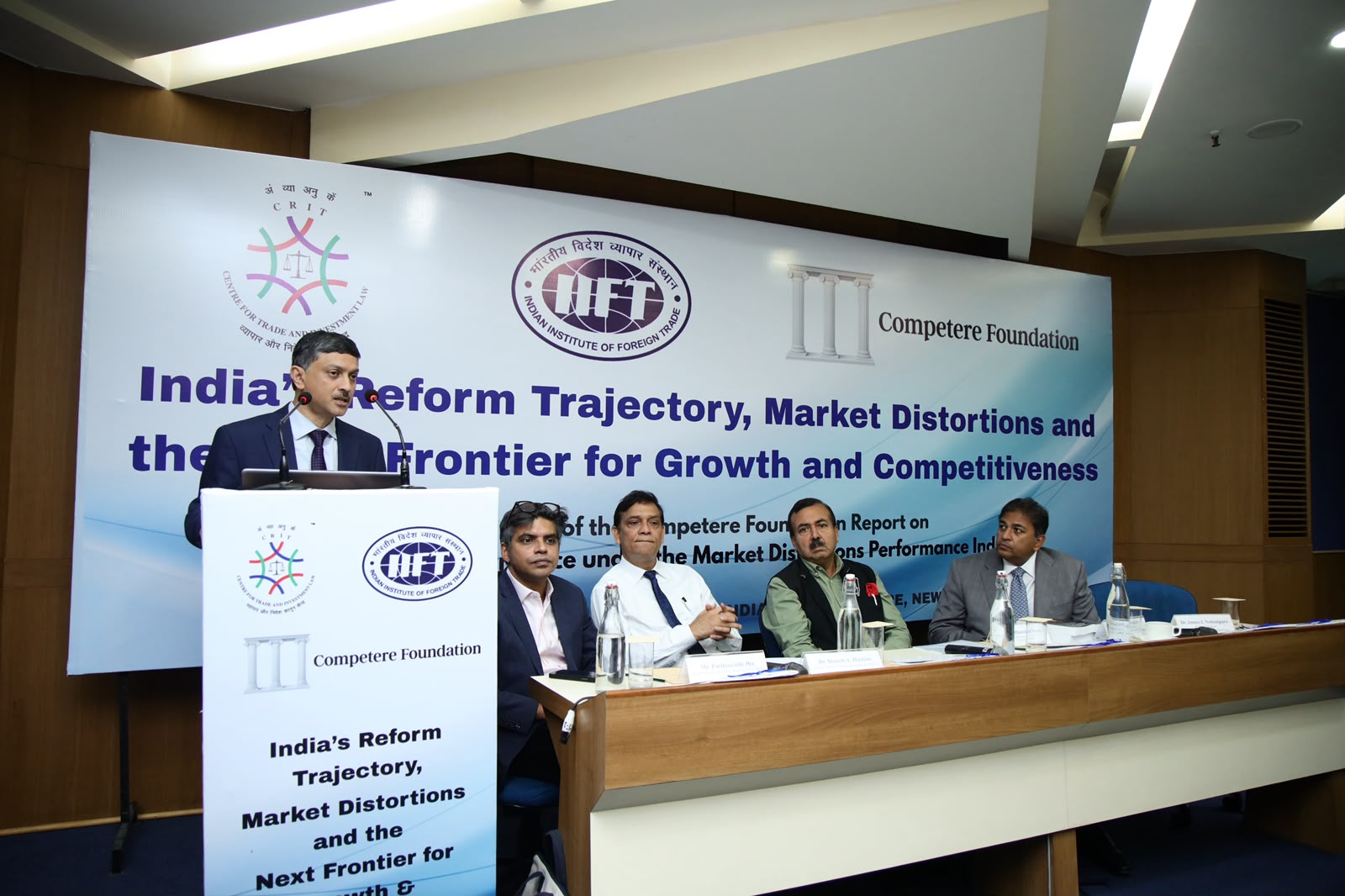
Competere Foundation Report Flags India’s Rise from 82nd to 57th

The Competere Foundation released the “Market Distortions Performance Index 2026” report titled “India’s Next Growth Frontier: Reducing Anti-Competitive Market Distortions to Build on India’s 2010–2023 Reform Progress.” It notes India’s rise from 82nd to 57th (2010–2023), assessed via property rights protection, domestic competition and international competition. It highlights GST, IBC, regulatory improvements and trade facilitation modernisation; finds reduced distortions, urges evidence-based policy, consumer-welfare investment tests, and cooperation with like-minded trading partners on regulatory barriers.

Competere Foundation Report Flags India’s Rise from 82nd to 57th
PIBPIB
Environment

Glaw Lake in Arunachal Pradesh declared India’s 101st Ramsar Site

Glaw Lake in Lohit district, Arunachal Pradesh, within Kamlang Tiger Reserve and Wildlife Sanctuary (Eastern Himalayas), has been added to the Ramsar List as India’s 101st Ramsar Site and the state’s first. A freshwater lake near the Kamlang River, it is an IBA, supports tiger, leopard, clouded leopard and snow leopard, and is wintering habitat for critically endangered white-bellied heron; sacred to Mishmi. Ramsar Convention (Ramsar, Iran, 1971; in force 1975) promotes conservation and “wise use”; 172 parties; India ratified 1982; India has Asia’s highest and world’s third-highest sites.

Glaw Lake in Arunachal Pradesh declared India’s 101st Ramsar Site
Hindustan TimesHindustan Times
Miscellaneous

India’s Coal Output Crosses 1 Billion Tonnes for Second Consecutive Year

India’s domestic coal output exceeded 1 billion tonnes for two consecutive years, with private participation expanding after commercial coal auctions began in 2020. Coal meets nearly 55% of primary energy needs and over 70% of electricity generation. India has the world’s 5th-largest coal resources and is the 2nd-largest producer-consumer; about 5 lakh workers operate 350+ mines. Coal Mines (Special Provisions) Act, 2015 enables transparent reallocation; reforms allow free sale at market prices, revenue-sharing linked to National Coal Index, and 100% FDI via automatic route.

India’s Coal Output Crosses 1 Billion Tonnes for Second Consecutive Year
PIBPIB
Judiciary

JALDI Initiative Releases Judicial Transparency Index

JALDI Initiative released the first Judicial Transparency Index assessing the Supreme Court and 25 High Courts. Findings include generic collegium reasons; 15 High Courts using RTI exemptions beyond RTI Act Section 8; budgets absent in 8 High Courts and audit reports absent across High Courts; live-stream rules in 13 High Courts (over 75% streaming in Chhattisgarh, Gujarat, Telangana and Guwahati); no bench-allocation criteria; post-2025, 90% Supreme Court judges disclosed assets (Kerala 90%, Madras 11%, Delhi 13.6%). Himachal Pradesh and Tripura led; Meghalaya and Bombay lagged.

JALDI Initiative Releases Judicial Transparency Index
The PrintThe Print
Environment

National Biodiversity Authority Releases ₹8.22 Crore ABS Funds

National Biodiversity Authority (NBA), a statutory body under Biological Diversity Act, 2002 (MoEFCC), released ₹8.22 crore as access and benefit-sharing (ABS) funds to three research institutions and 33 State Biodiversity Boards/UT Biodiversity Councils, among the largest single ABS disbursements for rice. Funds support germplasm/seed conservation, research, approved conservation, traditional-knowledge documentation, and farmers. It supports Kunming-Montreal GBF Target 13 and SDGs 2, 12, 15, 17. NBA implements Nagoya Protocol (CBD supplementary agreement); CBD (1992 Rio) goals: conservation, sustainable use, equitable benefit-sharing; US alone hasn’t ratified; other supplement: Cartagena Protocol on biosafety for LMOs.

National Biodiversity Authority Releases ₹8.22 Crore ABS Funds
DD NewsDD News

August 4, 2026

Schemes

Union Cabinet Approves Revamped Khelo India Scheme for 2026–31

Union Cabinet approved a revamped Khelo India Scheme and enhanced Assistance to National Sports Federations for 2026–27 to 2030–31, with nearly 8x higher financial allocation. It ensures a continuous athlete pathway from grassroots talent identification to international competitions and Olympic participation, aligned with Khelo Bharat Niti 2025 and NEP 2020; supports 2030 Commonwealth Games preparation and future Olympic/Paralympic hosting aspirations. Components: NCOEs, KICoEs, STCs, KIAAs, KICs and YSCs (armed forces); expands Fit India, prioritises women/para-athletes/indigenous sports, creates a unified digital sports platform, increases private/corporate collaboration, and strengthens TOPS.

Union Cabinet Approves Revamped Khelo India Scheme for 2026–31
PIBPIB
International

Italy Suspends Schengen Free-Travel with Spain for One Month over Ceuta Influx

Italy announced a 1-month suspension of Schengen free-travel arrangements with Spain after a mass influx of migrants into Spain’s enclave of Ceuta from neighbouring Morocco. The measure mainly targets non-EU nationals arriving from Spain by air or sea; Spanish and other EU citizens remain largely unaffected. Italy is coordinating with France on border checks. Ceuta, a Spanish autonomous city on Africa’s north coast, with Melilla forms the EU’s only land border with Africa. Schengen permits temporary controls for national security/public safety.

Italy Suspends Schengen Free-Travel with Spain for One Month over Ceuta Influx
The HinduThe Hindu
Environment

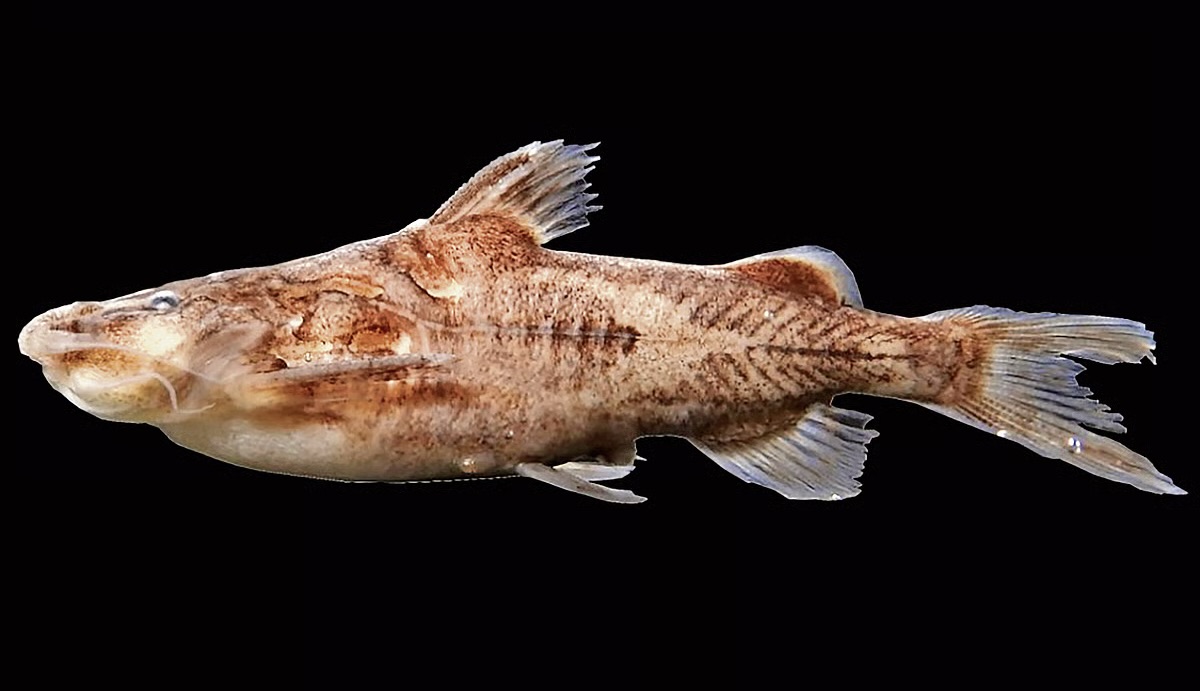
New subterranean eel species Rakthamichthys anchi discovered

Scientists discovered a new blind, blood-red subterranean eel, Rakthamichthys anchi, in underground aquifers linked to dug-out wells in Goalpara district, Assam. Recorded from two ~7 m deep wells, four specimens were found. Distinct species status was confirmed using micro-CT scanning and DNA analysis. Rakthamichthys is an India-endemic subterranean swamp-eel genus. Finding follows Gitchak nakana, indicating rich, underexplored aquifer biodiversity.

New subterranean eel species Rakthamichthys anchi discovered
Down to EarthDown to Earth
Environment

New Catfish Species Pseudolaguvia khairii Discovered in Odisha’s Budhabalanga River

Researchers discovered a new freshwater catfish, Pseudolaguvia khairii, in the Budhabalanga River, Mayurbhanj district, Odisha. It belongs to genus Pseudolaguvia (small hillstream catfishes) under order Siluriformes; the genus occurs in fast-flowing rivers of India, Bangladesh, Nepal and Myanmar. The few-centimetre species shows a unique fleshy protuberance at dorsal-fin base, adapts to strong currents; “Khairi” references a Similipal tigress rescued in the 1970s. Catfishes indicate healthy river ecosystems.

New Catfish Species Pseudolaguvia khairii Discovered in Odisha’s Budhabalanga River
Read moreRead more
Environment

Road Transport Emissions in India

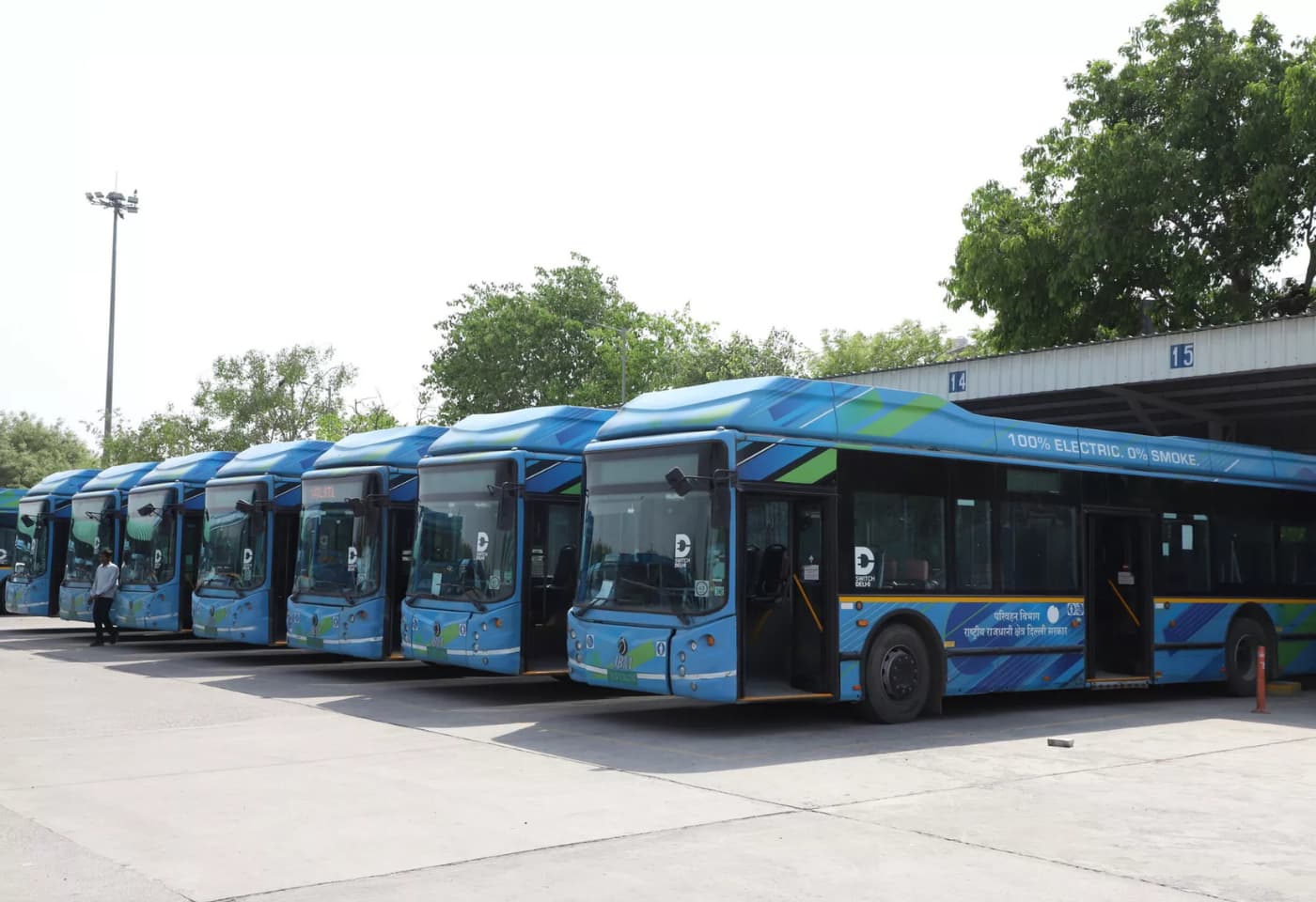
International Council on Clean Transportation (ICCT) study quantifies India’s road-transport emission health burden: in 2024, linked to one premature death every 6 minutes and one new childhood asthma case every 34 minutes; India accounts for 13% of global premature deaths. NCR has ~25% of asthma cases despite 5% population; Delhi (2024): 2,800 deaths, 1,500 paediatric asthma; NCR NO₂ exceeds WHO 10 µg/m³. Heavy-duty vehicles contribute 79% tailpipe NOx and 64% PM2.5. Full shift to zero-emission transport could avert 1.7 million deaths by 2050; recommend electrifying buses/trucks and retiring high-emitting vehicles.

Road Transport Emissions in India
Down to EarthDown to Earth
Organisations

OPEC+ Agrees to Increase Oil Production from September 2026

OPEC+ will increase oil output from Sept 2026. OPEC (Vienna, Austria) is a permanent-intergovernmental body of 11 developing-nations: Algeria, Rep.-of-Congo, Equatorial-Guinea, Gabon, Iran, Iraq, Kuwait, Libya, Nigeria, Saudi-Arabia, Venezuela; India not a member; ex-members Ecuador, Indonesia, Qatar, Angola, UAE. Created at 1960 Baghdad-Conference by Iran/Iraq/Kuwait/Saudi-Arabia/Venezuela to coordinate petroleum policy for fair, stable producer prices. OPEC+ (2016) added Russia, Azerbaijan, Kazakhstan, Bahrain, Brunei, Malaysia, Mexico, Oman, South-Sudan, Sudan after price falls from higher US shale output.

OPEC+ Agrees to Increase Oil Production from September 2026
News On AirNews On Air
International

South China Sea Disputes: China Issues Enforcement Measures for Huangyan Dao
China issued management measures for the Huangyan Dao National Nature Reserve around Scarborough Shoal, mandating routine patrols and strict action against unauthorised fishing/resource extraction, and held military drills nearby. The South China Sea is a strategic marginal sea of the Western Pacific, bordered by Brunei, Cambodia, China, Indonesia, Malaysia, Philippines, Singapore, Taiwan, Vietnam, linking Pacific–Indian oceans via Malacca. China’s 1947 nine-dash line (~90%) was invalidated by 2016 PCA (UNCLOS), rejected by China. Paracels (~130) controlled by China since 1974; claimed by Vietnam/Taiwan. Spratlys (incl. Second Thomas Shoal) are multi-claimed. Scarborough lies in Philippines’ EEZ but is claimed by China.

South China Sea Disputes: China Issues Enforcement Measures for Huangyan Dao
Indian ExpressIndian Express
Reports

FICCI-EY “Cities as Growth Engines” Report on India’s $30 trillion economy by 2047

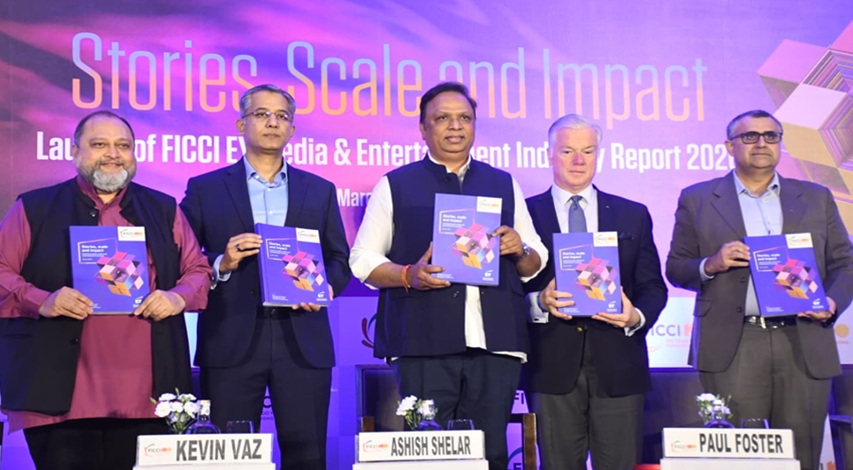
FICCI and EY’s “Cities as Growth Engines” report links Indian cities to India’s US$30-trillion economy goal by 2047. India has over 7,400 cities/towns; urban areas house ~one-third of the population, generate 60% of GDP (projected 75% by 2050), with top 10 cities contributing ~30%. Cities need US$2.4 trillion by 2050 for climate resilience; 70% of 2047 infrastructure is unbuilt, requiring US$840 billion over 15 years. Municipal revenues are 0.6% of GDP; only 20 municipal corporations accessed capital markets, raising US$476 million. Issues include illegal immigration, extreme heat and flooding.

FICCI-EY “Cities as Growth Engines” Report on India’s $30 trillion economy by 2047
Read moreRead more

August 3, 2026

Science & Technology

Nuclear Energy Mission Roadmap Targets 100 GW by 2047

Government unveiled Nuclear Energy Mission roadmap targeting 100 GW nuclear capacity by 2047, including five indigenous Small Modular Reactors by 2033. BARC is developing BSMR-200 (220 MW), SMR-55 (55 MW) and HTGCR (up to 5 MW thermal) enabling hydrogen via thermochemical processes (copper-chlorine cycle). SHANTI Act, 2025 opens generation/research to private firms, promotes indigenous advanced reactors, grants statutory status to AERB and strengthens its independence. Safety adopts redundancy, diversity and defence-in-depth; oversight by NPCIL and AERB. Waste management follows 1987 Rules and AERB codes, with segregation, treatment, engineered storage and continuous monitoring.

Nuclear Energy Mission Roadmap Targets 100 GW by 2047
DD NewsDD News
Environment

Uzbekistan Releases 672 Captive-Bred Asian Houbara Bustards in Karakalpakstan

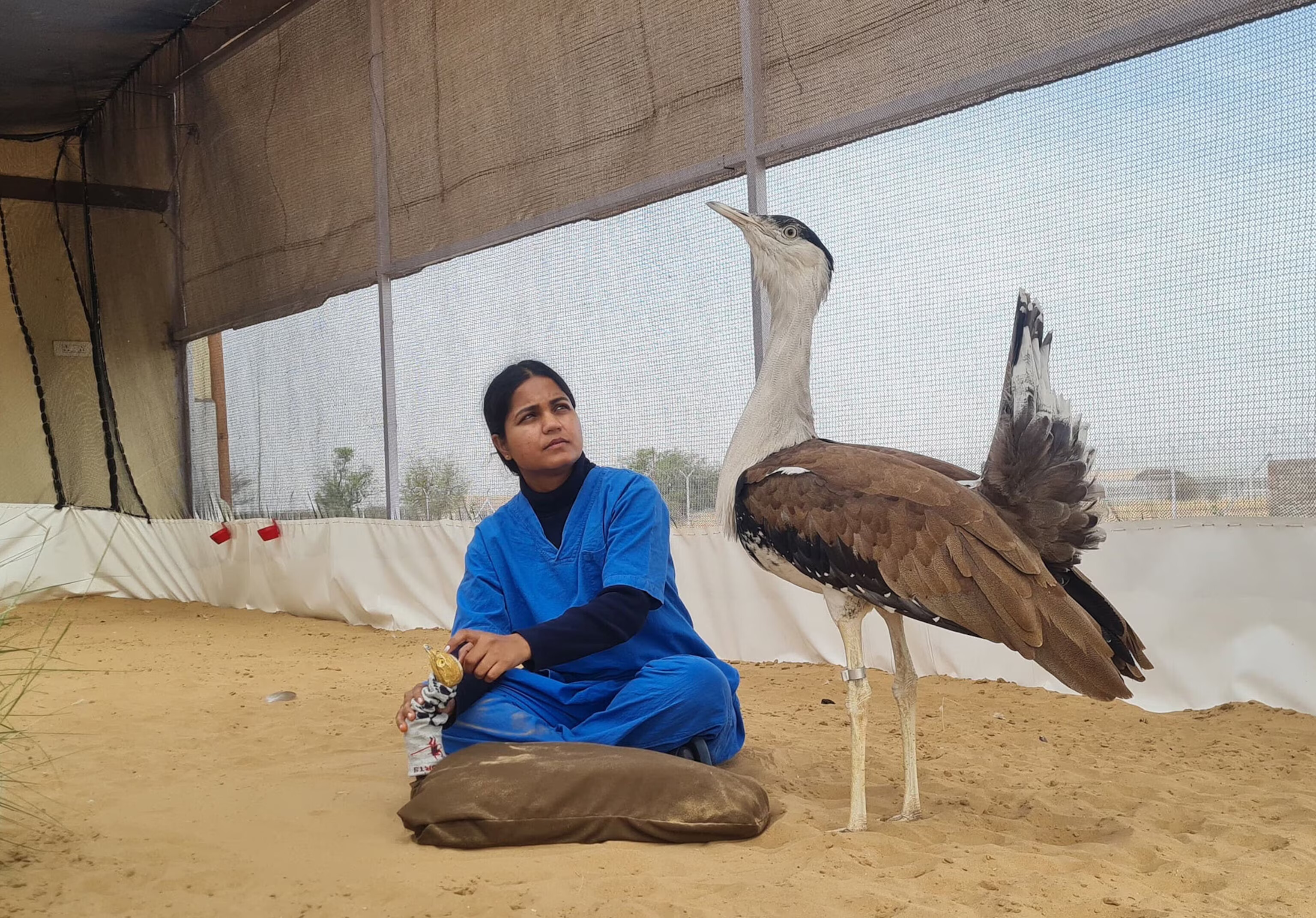
In June 2026, 672 captive-bred Asian Houbara bustards (Chlamydotis macqueenii) were released in Karakalpakstan, an autonomous republic of Uzbekistan in the Aral Sea–Aralkum Desert region, under a multi-nation initiative to restore degraded drylands around the former Aral Sea. Bred at a UAE (Sheikh Mansour) facility in Kazakhstan, releases were supervised by Uzbekistan’s National Committee on Ecology and Climate Change and CITES experts. The Vulnerable species is listed under CITES and CMS Appendix I; key threats include Aral desiccation (Soviet river diversions since the 1960s), poaching and loss of stopovers.

Uzbekistan Releases 672 Captive-Bred Asian Houbara Bustards in Karakalpakstan
Down to EarthDown to Earth
Defence

Dark Eagle Long-Range Hypersonic Weapon

During Exercise Valiant Shield 2026, the U.S. Army conducted its first forward deployment of the Dark Eagle Long-Range Hypersonic Weapon (LRHW) to Guam (Western Pacific), placing a ground-launched hypersonic system within striking distance of China’s eastern seaboard. Dark Eagle is a conventional, two-stage boost-glide missile (>Mach 5; ~2,775–3,500 km) using the Common-Hypersonic Glide Body. A battery has four TEL trucks (eight missiles) and a mobile operations center, enabling rapid strikes on high-value targets across the Taiwan Strait/South China Sea; China fields DF-17 and DF-27.

Dark Eagle Long-Range Hypersonic Weapon
Times of IndiaTimes of India
Schemes

Rare Earth Permanent Magnet Scheme

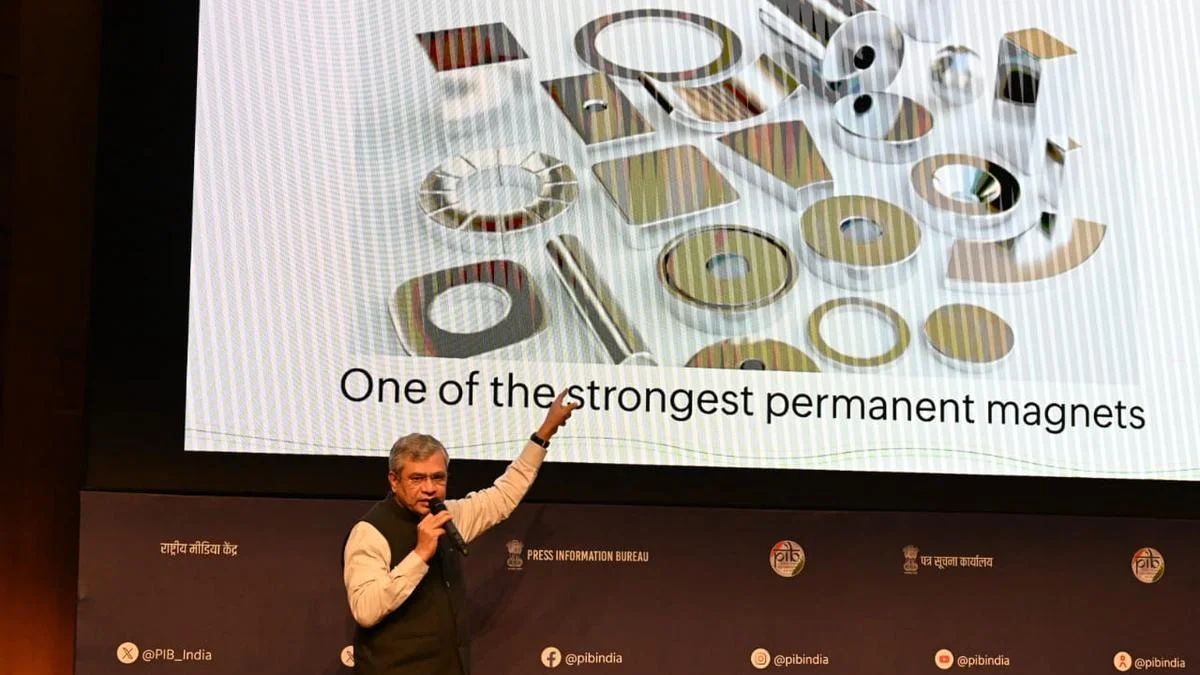
IREL (India) Ltd, DMRL and BARC assessed India’s Rare Earth Permanent Magnet (REPM) demand as the REPM Scheme targets a fully integrated domestic ecosystem for high-strength sintered magnets, reducing 90–95% import dependence (mainly China). Outlay ₹7,280 crore includes ₹6,450 crore sales-linked incentives (5 years) and ₹750 crore capital subsidy. It creates 6,000 MTPA capacity, allocated to 5 beneficiaries (up to 1,200 MTPA) via global competitive bidding, over 7 years (2-year gestation + 5-year incentives), mandating the oxide–metal–alloy–finished magnet value chain. Demand is projected at 8,220 MTPA by 2030, driven by EVs (3,250), wind (1,800), BLDC fans (980), electronics/smartphones (600); strategic risks affect missiles, drones, radars, clean energy and advanced electronics, including aerospace and defence equipment.

Rare Earth Permanent Magnet Scheme
PIBPIB