Current Affairs

pib_logo

And other top trusted sources

22 October 2026

Science & Technology

Aditya-L1 and ESA’s Proba-3 combine coronagraph data to study CMEs

A study analysed two coronal mass ejections (CMEs) using coronagraph data from India’s Aditya-L1 (first dedicated solar mission; PSLV-C57, 2 September 2023) and ESA’s Proba-3 (PSLV-XL, Sriharikota, 5 December 2024; two spacecraft ~150 m apart creating an artificial eclipse). Instruments: Aditya-L1’s VELC and Proba-3’s ASPIICS. CMEs on 14 Sept 2025 (~645 km/s) and 16 Sept 2025 (~145 km/s) showed differing expansion, density fall, and thermal/kinetic/magnetic energy partition, constraining inner-corona processes relevant for space-weather impacts.


Aditya-L1 and ESA’s Proba-3 combine coronagraph data to study CMEs
Times of IndiaTimes of India

Science & Technology

BARC Develops Seawater Lithium Extraction Technique

Scientists at BARC developed a chemical method to recover ~90% lithium from seawater (0.17 mg/L; ~230 billion tonnes globally; Mg:Li >6,000). Pretreatment with sodium hydroxide and sodium carbonate removes >99% magnesium and calcium while retaining lithium. Dibenzoyl methane in methyl isobutyl ketone extracts lithium; dilute nitric acid strips it for solvent reuse (~100 ml/L). India imports all raw lithium and battery-grade cells; commercialisation needs long-term, energy, cost, marine-impact and foam assessments.

BARC Develops Seawater Lithium Extraction Technique
Down to EarthDown to Earth
Environment

MoEFCC Launches National Red List Assessment of 1,211 Bird Species

India began a National Red List Assessment of 1,211 regularly occurring (resident and migratory) bird species under the IUCN framework, led by MoEFCC and launched at the IUCN World Conservation Congress 2025, Abu Dhabi, as part of the National Red List Roadmap and Vision 2025-2030. BSI and ZSI lead with IUCN India; SoIB provides citizen-science trend data. By 19 October 2026, 107 species were preliminarily assessed; India targets 11,000+ species by 2030.

MoEFCC Launches National Red List Assessment of 1,211 Bird Species
Hindustan TimesHindustan Times
Places in News

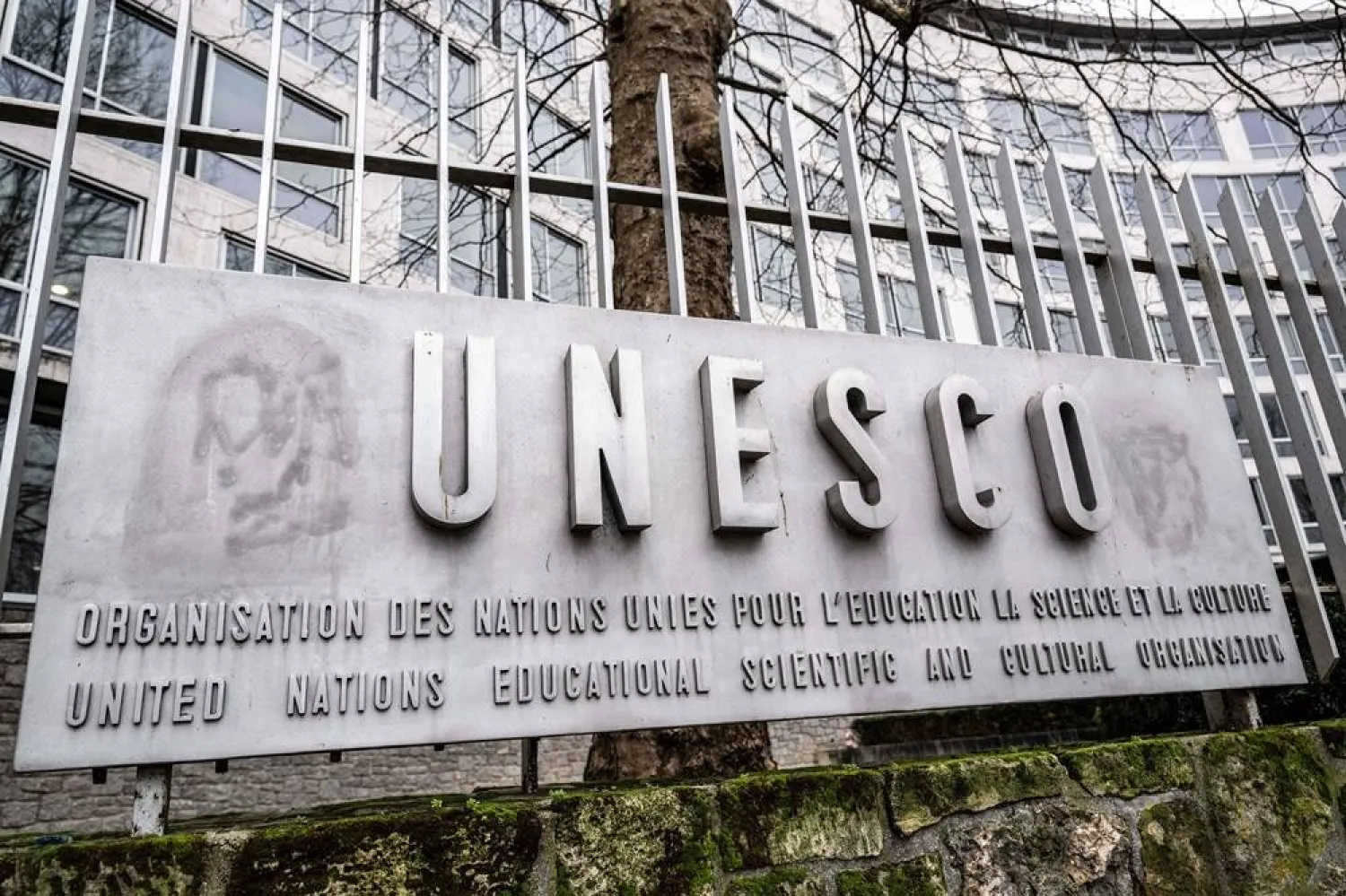
India Adds 3 Properties to UNESCO World Heritage Tentative List

India’s Permanent Delegation to UNESCO added three properties to the UNESCO World Heritage Tentative List: (1) Karst-Mud-Volcano Complex of Baratang, Andaman & Nicobar Islands, with limestone caves/speleothems and “Jalki” mud volcanoes expelling gas, water and mud; (2) Andaman Subduction Volcanoes at Barren and Narcondam Islands, reflecting Indian Plate subduction under the Burma microplate; Barren has India’s only active volcano; Narcondam is a key biodiversity area; (3) Sirpur Cultural and Archaeological Landscape, Mahasamund (Chhattisgarh) on the Mahanadi, with Hindu-Buddhist monuments and stromatolites in the Proterozoic Chhattisgarh Basin.

India Adds 3 Properties to UNESCO World Heritage Tentative List
Read moreRead more
Environment

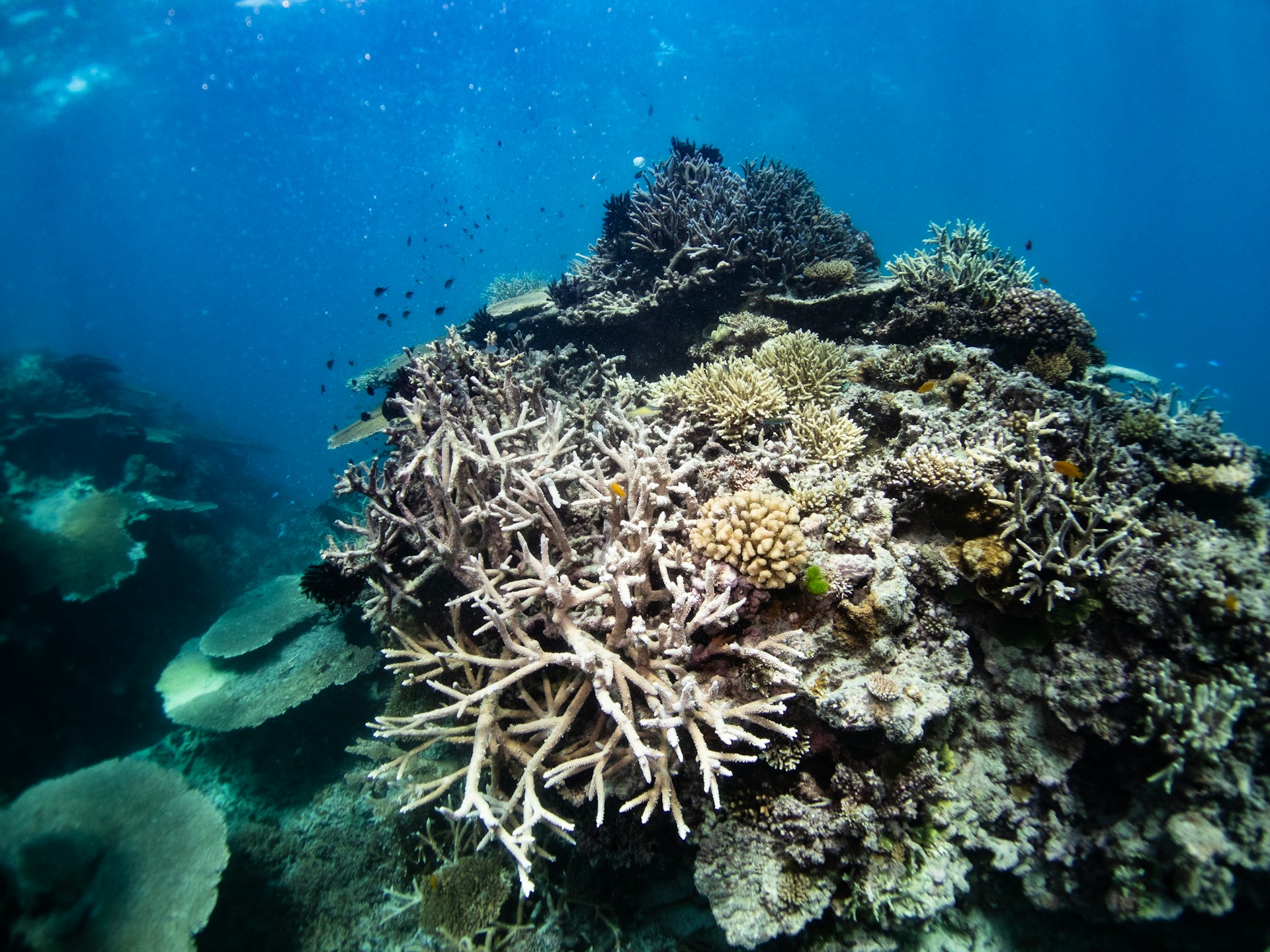
Experiments Show Bleached Corals Recover via Zooxanthellae Transfer

Experiments show bleached corals can recover when near/in contact with unbleached corals, enabling transfer of symbiotic microalgae (zooxanthellae) and restoring photosynthesis. Bleaching increases internal light stress as light reflects off the white calcium carbonate skeleton; corals produce fluorescent “optical sunscreen” pigments forming a photoprotective layer aiding new symbionts. India’s reefs: Lakshadweep, Andaman & Nicobar, Gulf of Mannar-Palk Bay, Gulf of Kutch; marine heatwaves, exacerbated by El Niño, drive stress. Restoration advocates assisted re-symbiosis via nurseries co-culturing donor and bleached corals.

Experiments Show Bleached Corals Recover via Zooxanthellae Transfer
The HinduThe Hindu
Environment

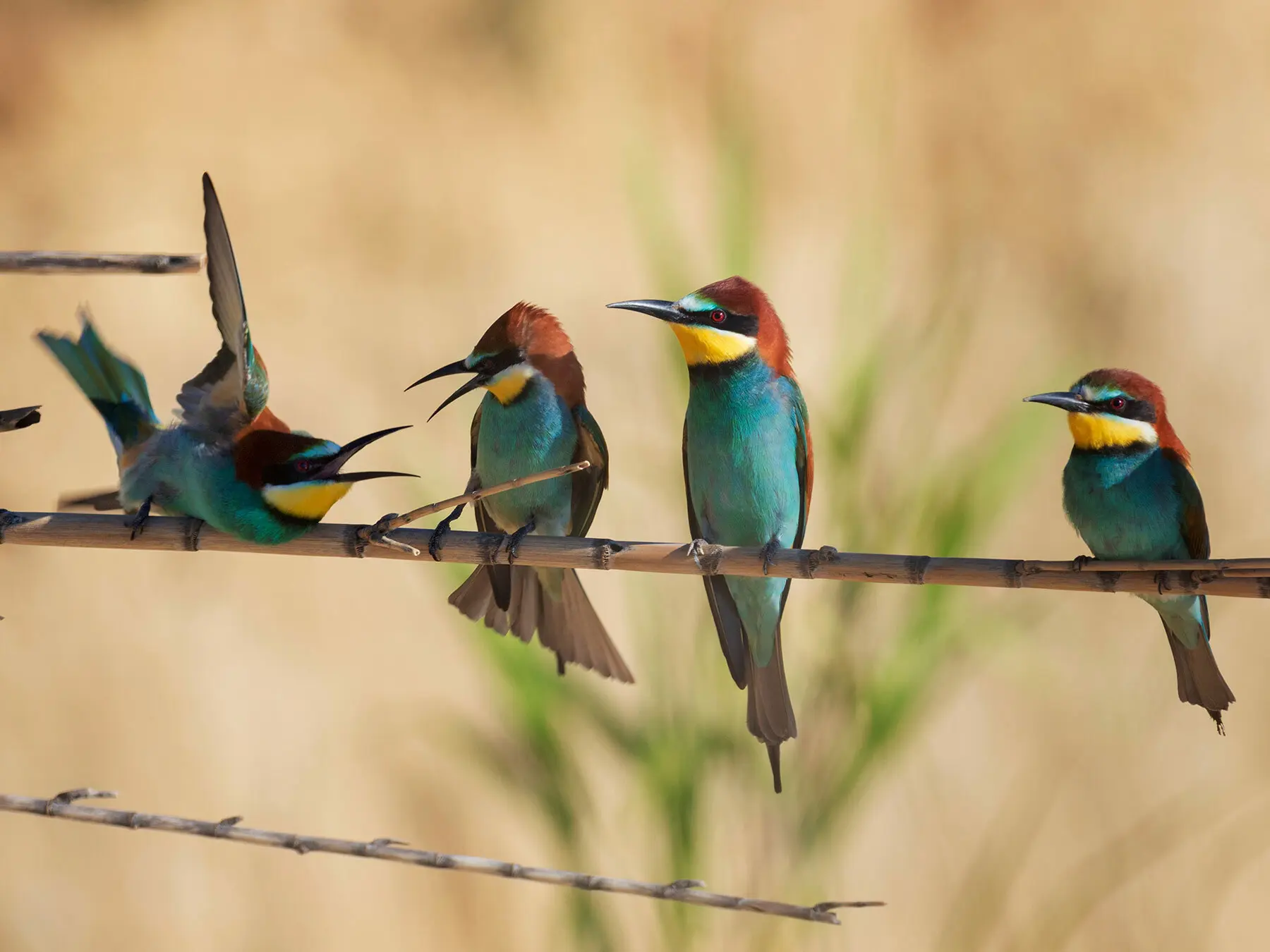
European Bee-eater recorded first time in Chennai

A European bee-eater (Merops apiaster, family Meropidae) was recorded for the first time in Chennai at Broken Bridge near the Adyar River Estuary; the sighting was submitted to eBird and reviewed/accepted. Identified as a juvenile by plumage, yellow throat and dark trailing wing edge; insectivorous (captures flying insects). Blue-tailed bee-eater (Merops philippinus) is regular locally. A Eurasian wryneck (Jynx torquilla, Picidae) was also noted; ant/invertebrate feeder with neck-twisting, hissing threat display and camouflage.

European Bee-eater recorded first time in Chennai
The HinduThe Hindu
International

US Secretary of State Marco Rubio visits Reliance Jamnagar refinery

US Secretary of State Marco Rubio visited Reliance’s Jamnagar refinery complex, Gujarat, on his second India trip in six months, after talks with EAM S. Jaishankar in Mumbai, amid India-US trade-deal negotiations and friction over Russian oil imports. Jamnagar is the world’s largest single-location complex (1.4 mbpd), with refineries commissioned in 1999 (660,000 bpd) and 2008 (580,000 bpd, SEZ, export-oriented), processing heavy sour crude (216 grades; 68.2 mtpa, 35.2 mtpa exports). Trump-signed law allowing up to 100% tariffs on major Russian-energy buyers was waived; Rubio linked waiver to the nearing trade deal; US is India’s fifth-largest crude supplier.

US Secretary of State Marco Rubio visits Reliance Jamnagar refinery
Indian ExpressIndian Express
Places in News

Kathmandu’s Taleju Bhawani Temple Opens to Devotees

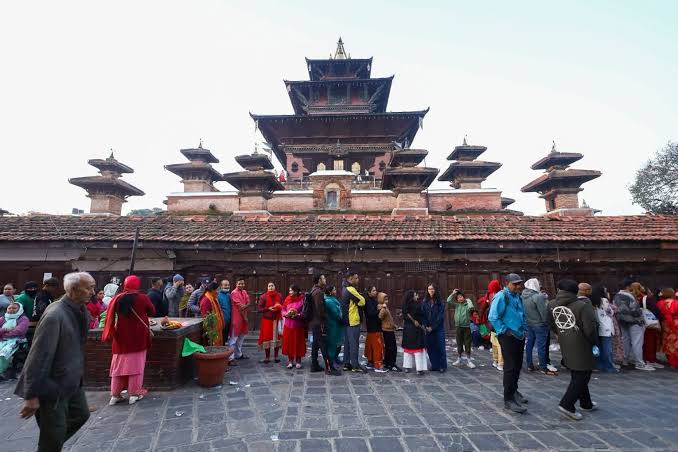
On Maha Navami (9th day of Dashain), Kathmandu’s Taleju Bhawani Temple opens to devotees; public access is allowed only once annually. Located in Kathmandu Durbar Square (Kathmandu Valley UNESCO World Heritage property), it is dedicated to Goddess Taleju Bhawani (a form of Durga). Built in the 16th century by King Mahendra Malla, it reflects Malla-era (12th-18th century) Newar pagoda architecture and Shri Yantra-based layout.

Kathmandu’s Taleju Bhawani Temple Opens to Devotees
News On AirNews On Air
Environment

Baltic Sea Initiative to Combat Marine Pollution

Nordic Council Committee for a Sustainable Nordic Region launched an initiative to curb pollution and protect the Baltic Sea’s marine environment. The Baltic Sea is a semi-enclosed inland sea of the Atlantic in Northern Europe, the world’s largest brackish inland water body, formed 10,000-15,000 years ago. It borders Sweden, Poland, Lithuania, Latvia, Finland, Estonia, Germany, Denmark and Russia; includes Gulf of Bothnia, Gulf of Finland, Gulf of Riga, Baltic Proper, and Danish straits (Kattegat, Skagerrak) linking to the North Sea; has low salinity; Gotland is largest island; faces harmful algal blooms.

Baltic Sea Initiative to Combat Marine Pollution
Read moreRead more

21 October 2026

Environment

COP17 of Convention on Biological Diversity in Yerevan

CBD COP17 is held in Yerevan, Armenia, 19–30 October 2026, themed “Taking Action for Nature”, alongside CP-MOP-12 (Cartagena Protocol) and NP-MOP-6 (Nagoya Protocol). At the mid-point to 2030, it conducts the first global stocktake of the 2022 Kunming-Montreal Global Biodiversity Framework (23 targets by 2030; 4 goals for 2050), addresses implementation gaps, tracking capacity, and biodiversity finance ($200 bn/yr by 2030, incl. $30 bn international), and advances the Cali Fund for benefit-sharing from digital sequence information use.

COP17 of Convention on Biological Diversity in Yerevan
UNESCOUNESCO
Science & Technology

Nanofibre Filter for Dye-Contaminated Wastewater Treatment

Institute of Nano Science and Technology (INST), Mohali (autonomous DST institute) developed an electrospun porous PLA-ZnO nanofibre membrane for dye-contaminated wastewater. ZnO nanoparticles (turmeric-extract synthesis using curcumin/flavonoids/phenolics) are immobilised in PLA, integrating photocatalysis with piezocatalysis (light + ultrasonic/mechanical vibrations) to suppress electron–hole recombination. It achieved 98.6% MB and 96.7% CR decolourisation in 120 min; inactivated ~75% E. coli and 71% S. aureus in 6 h. Machine learning predicts performance using wavelength, time, catalyst quantity, ultrasonic frequency, light intensity and dye concentration.

Nanofibre Filter for Dye-Contaminated Wastewater Treatment
PIBPIB
Science & Technology

Kufri Jamunia Purple Potato Variety Through Biofortification

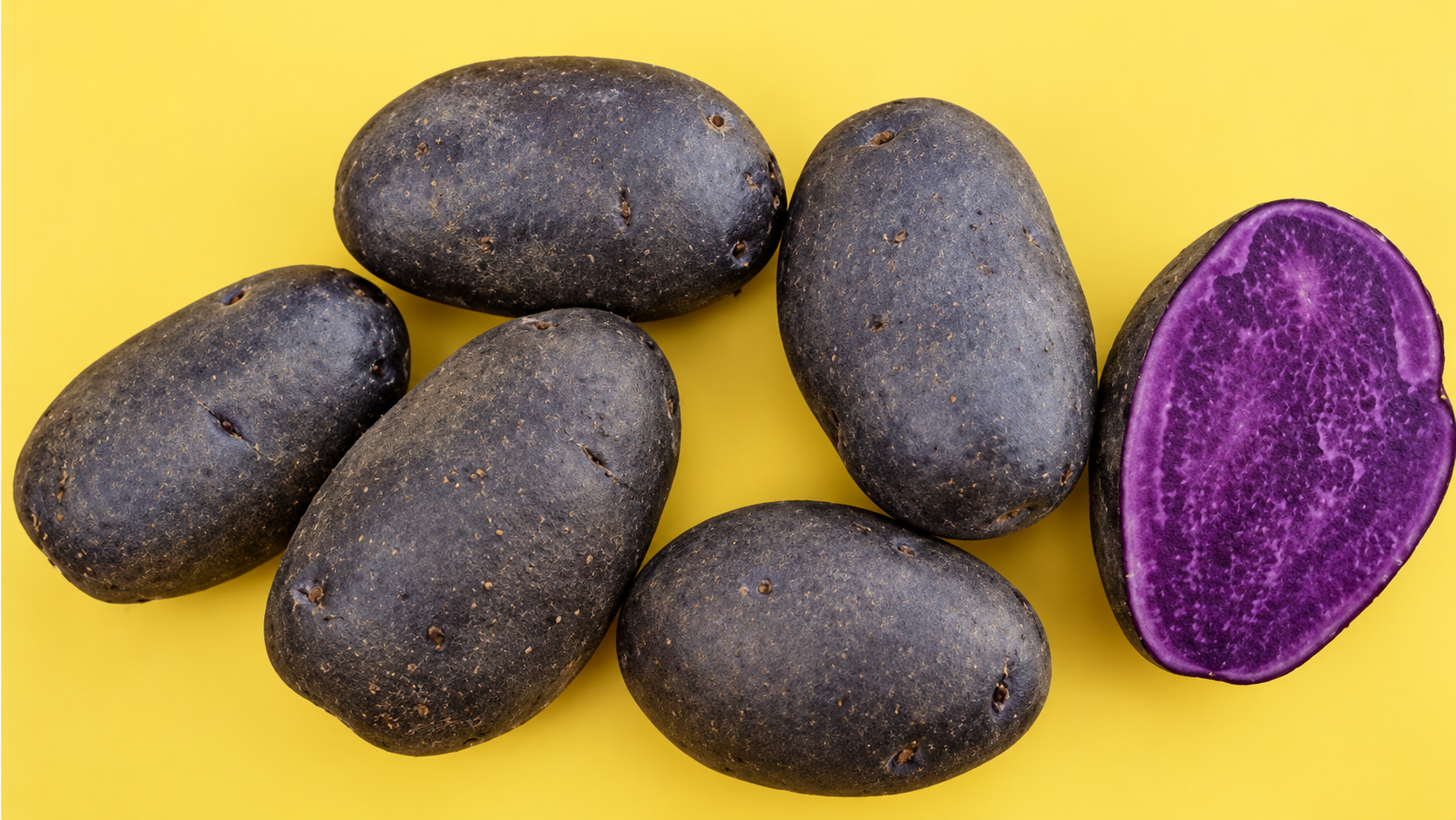
ICAR has developed nutrient-rich coloured potato varieties to enhance daily micronutrient intake through biofortification (nutrient improvement via plant breeding). Kufri Jamunia, an indigenous purple, medium-maturing variety developed by ICAR-Central Potato Research Institute, yields 32–35 t/ha (49 t/ha in 90-day station trials), with ~90% marketable yield and 6–8 weeks dormancy. It contains anthocyanins, vitamin C, carotenoids, zinc and iron. Other ICAR varieties: Kufri Neelkanth (released 2018) and Kufri Manik (released 2021).

Kufri Jamunia Purple Potato Variety Through Biofortification
PIBPIB
Environment

India’s first leopard immunocontraception pilot

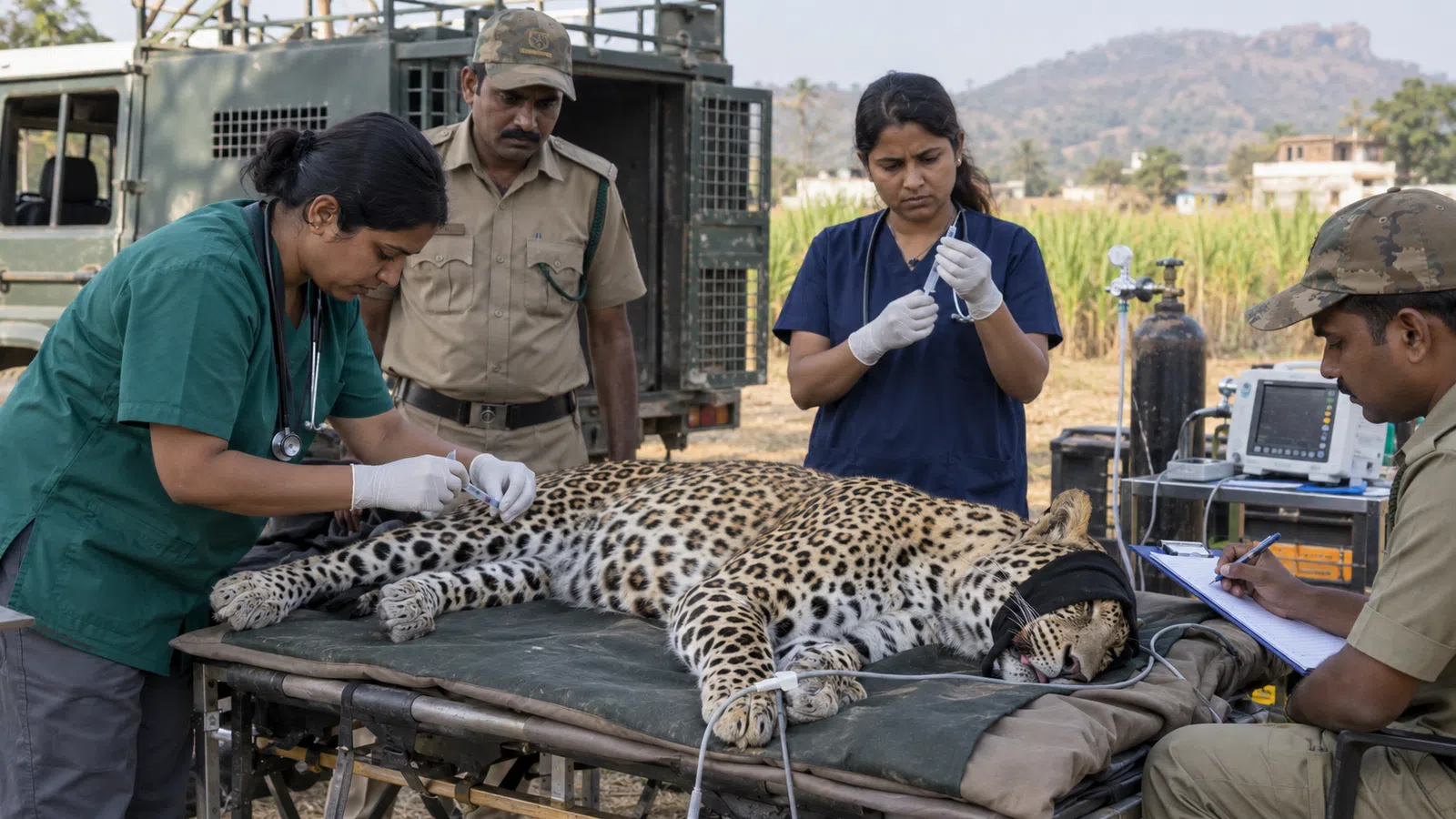
Junnar Forest Division (Pune, Maharashtra) launched India’s first pilot to control leopard reproduction through immunocontraception. In early October 2026, two female leopards were administered an immunocontraceptive drug and released. Immunocontraception uses an immunological agent to temporarily, non-surgically and potentially reversibly prevent reproduction; monitoring of safety, hormonal changes, behaviour and long-term effects is required to manage populations and reduce human–leopard conflict. Indian leopard (Panthera pardus fusca; Felidae): IUCN Vulnerable; Wildlife (Protection) Act, 1972 “Endangered”; CITES Appendix I.

India’s first leopard immunocontraception pilot
Down to EarthDown to Earth
Miscellaneous

Himachal Pradesh Captive Breeding Reintroduces Cheer Pheasant

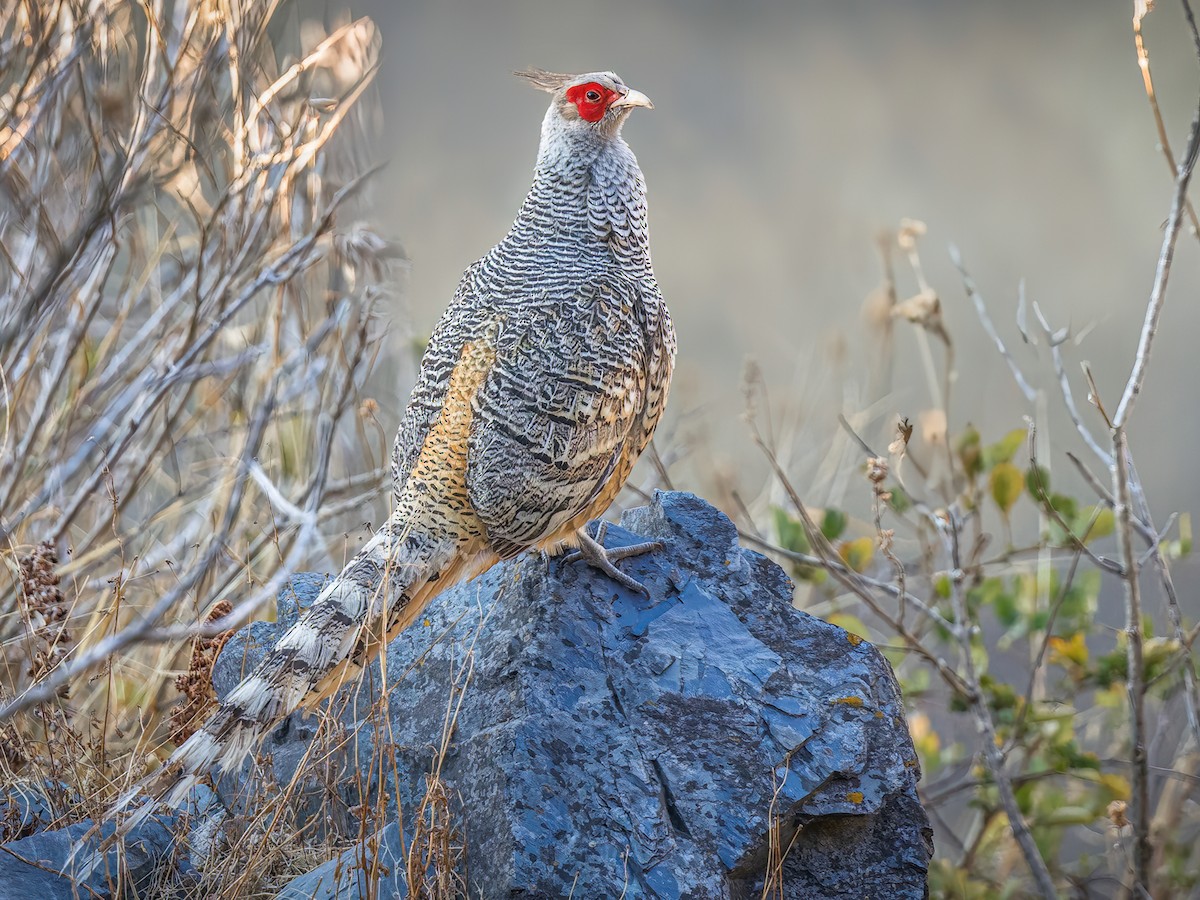
Himachal Pradesh improved survival of reintroduced Cheer Pheasant (Catreus wallichii; IUCN Vulnerable; WPA 1972 Schedule I) from 11.11% (2019-20) to 100% (2024-25) via a captive-breeding and reintroduction programme led by Khadiyun Cheer Pheasant Breeding Centre, Chail (Solan). Total 77 birds released; during Wildlife Week 2026, 12 (2M, 2F, 8 chicks) released near Koti, Shimla, using parent-rearing, soft release, VHF radio-telemetry and camera traps; threats include grassland degradation, fires and overgrazing.

Himachal Pradesh Captive Breeding Reintroduces Cheer Pheasant
Times of IndiaTimes of India
Science & Technology

Green-Coloured White Dwarf Identified 280 Light-Years Away in Draco

Astronomers identified WD J1330+6435, an unusual chartreuse-green white dwarf about 280 light-years away in the constellation Draco. White dwarfs are super-dense, Earth-sized remnant cores of low- to medium-mass stars; temperatures can be ~4,000°C. Light-year equals ~9.46 trillion km; its light takes ~280 years to reach Earth. Green colour was inferred using spectral data and human colour-perception models; sodium–helium interactions (with calcium affecting spectrum) alter absorbed wavelengths.

Green-Coloured White Dwarf Identified 280 Light-Years Away in Draco
Times of IndiaTimes of India
Defence

Indian Navy to Host Swavlamban 2026

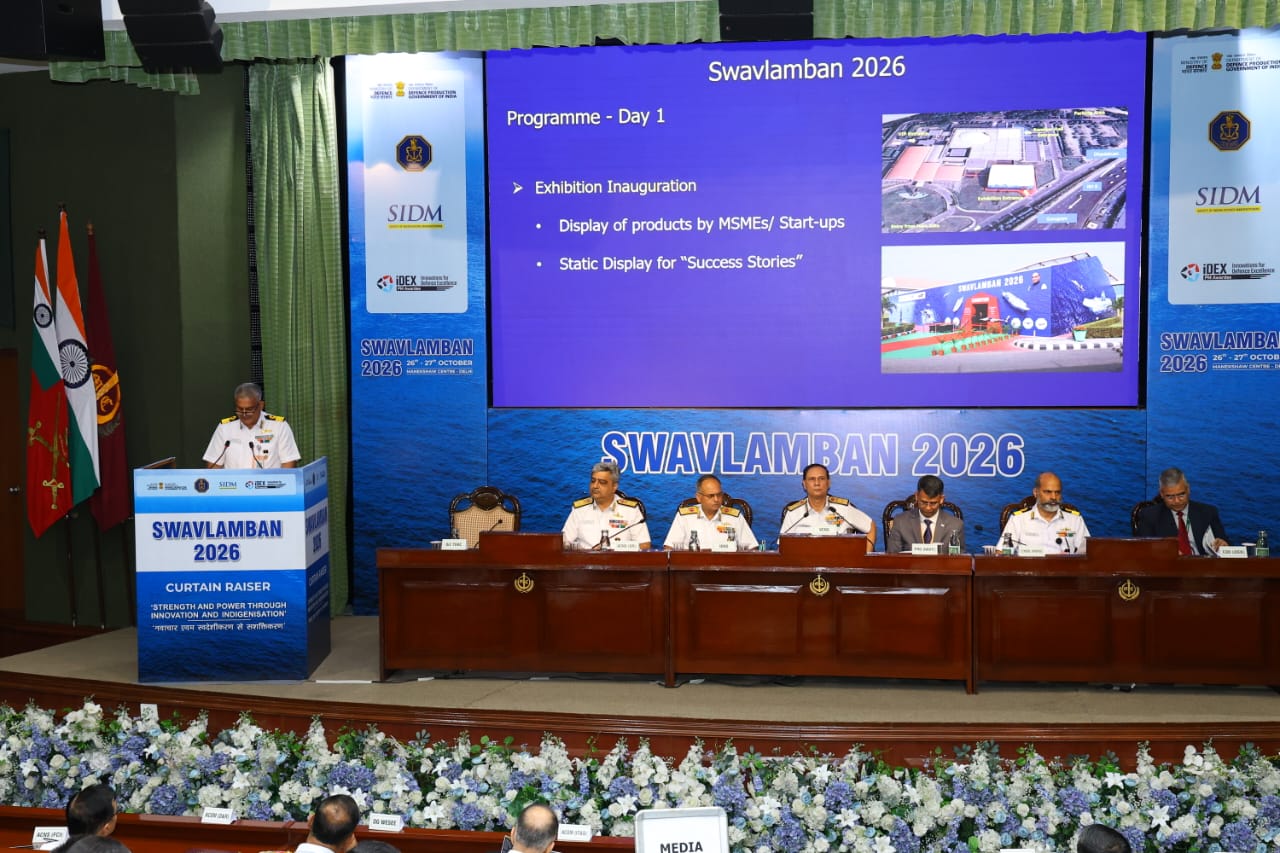
Indian Navy is hosting Swavlamban 2026, its flagship Naval Innovation and Indigenisation Seminar (5th edition), as a 2-day event at the Manekshaw Centre, New Delhi. It links indigenous technologies to maritime domain and operational requirements. Stakeholders include innovators, industry, startups, MSMEs, academia, investors and Defence Forces. Exhibition covers maritime surveillance, counter-UAS, AI, quantum, NBCD and safety systems. Supported by GoI, MoD, SIDM and Defence Innovation Organisation; ~3,000 participated last year; 100+ stalls expected.

Indian Navy to Host Swavlamban 2026
Read moreRead more
Organisations

India to Host 61st CIML Meeting of International Organization of Legal Metrology

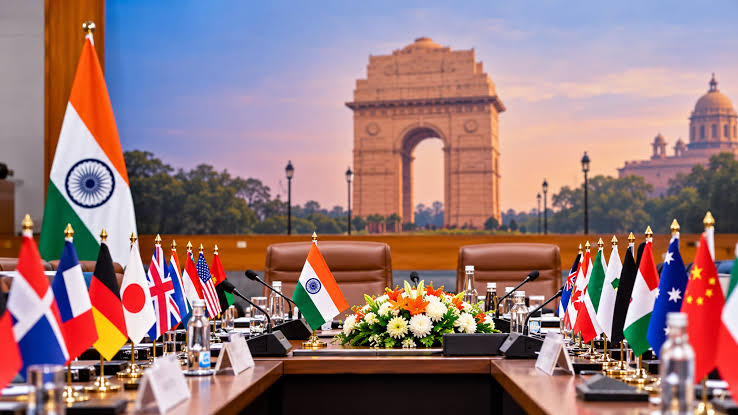
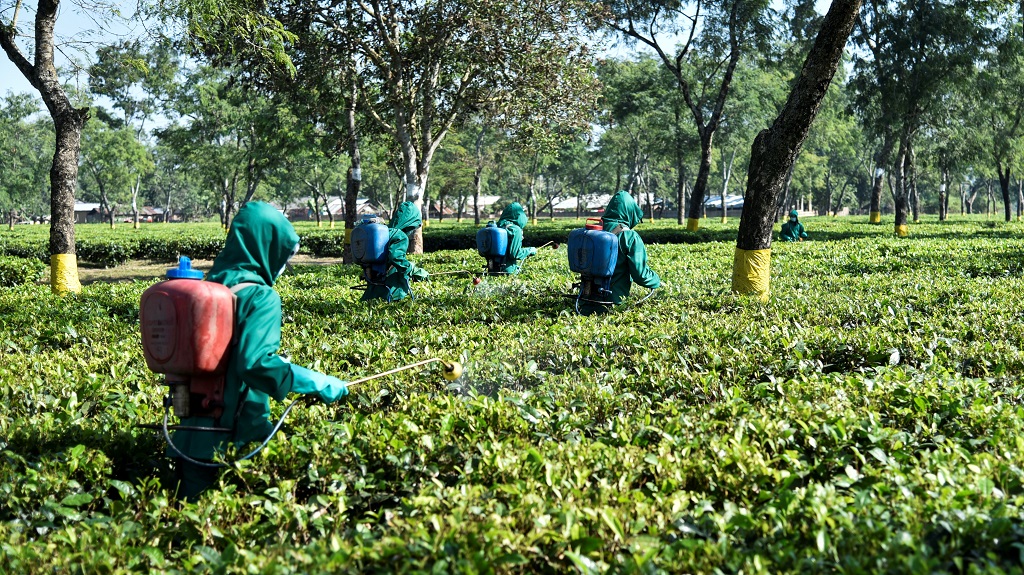
India hosted the 61st meeting of the International Committee of Legal Metrology (CIML), organised by the Department of Consumer Affairs with the International Organization of Legal Metrology (OIML). OIML (established 1955; HQ Paris) is an intergovernmental standard-setting body promoting harmonised legal metrology and model regulations for measuring instruments; its Conference meets every 4 years. CIML guides technical/administrative work. OIML has 63 Member States and 66 Corresponding Members; India joined in 1956, signed the metric convention, and can issue internationally accepted OIML certificates (13 countries); OIML Pattern Approval is mandatory for international sales.

India to Host 61st CIML Meeting of International Organization of Legal Metrology

PIBPIB
Defence

Exercise AUSTRAHIND 2026: India-Australia Army drill
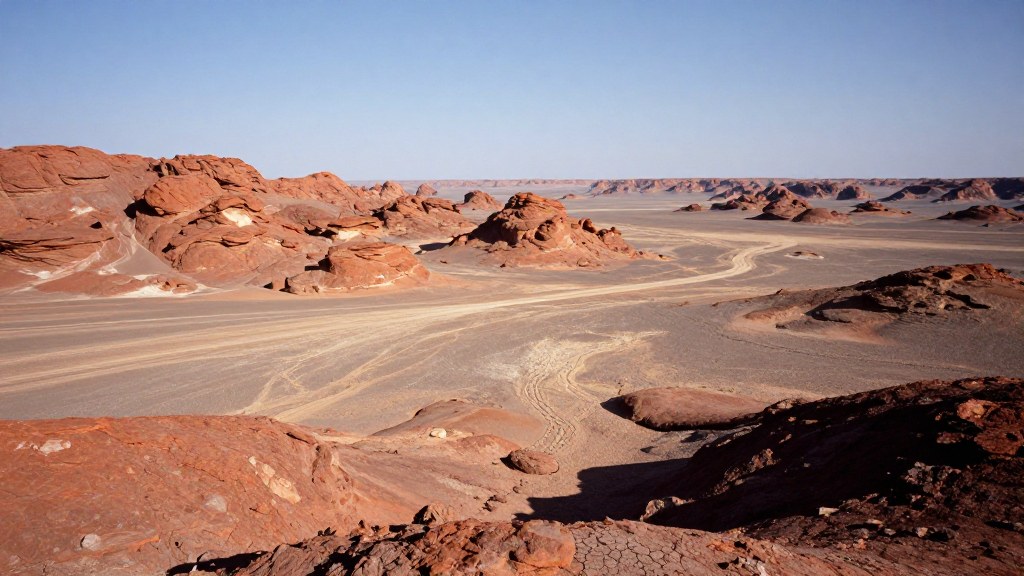
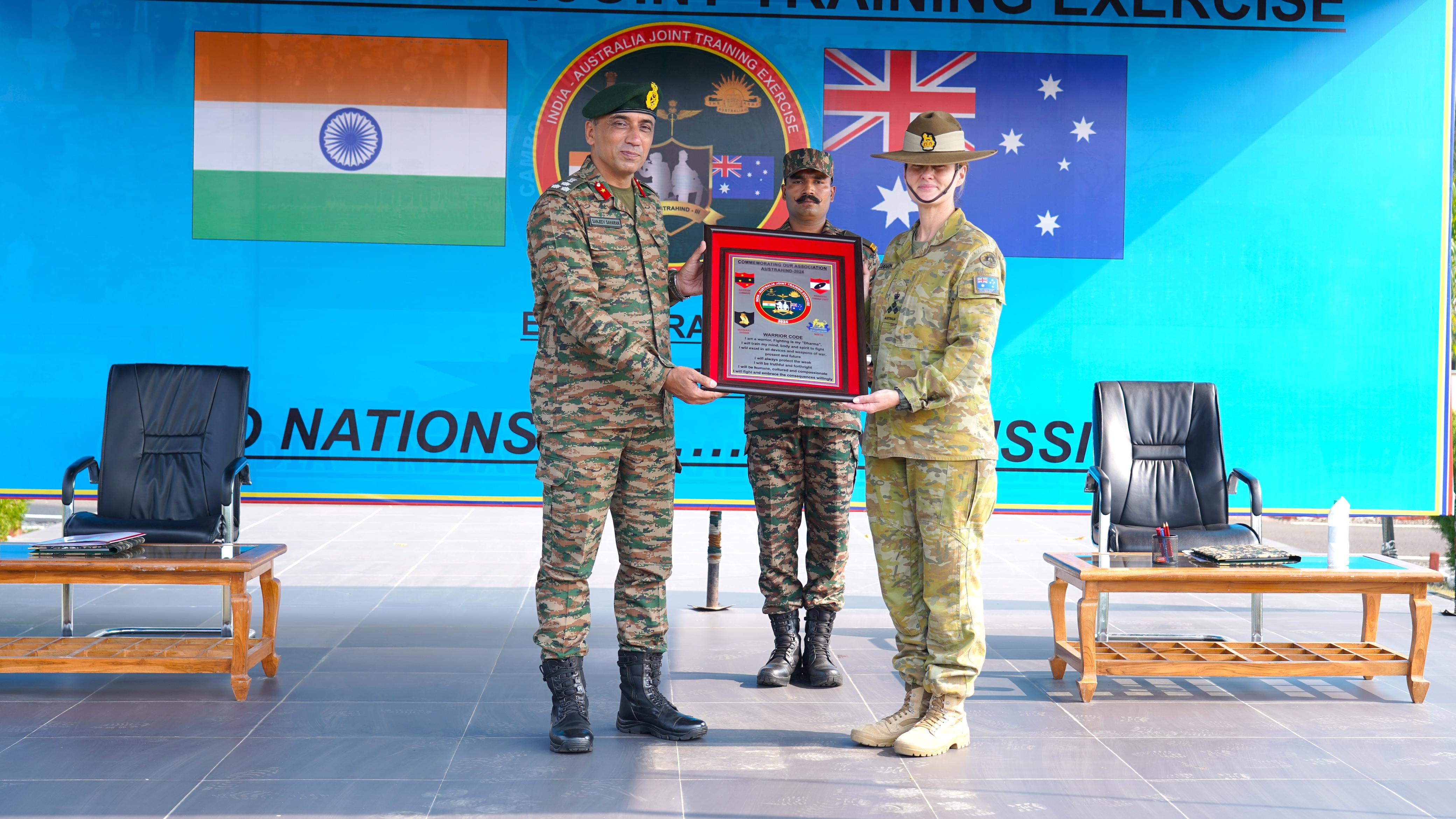
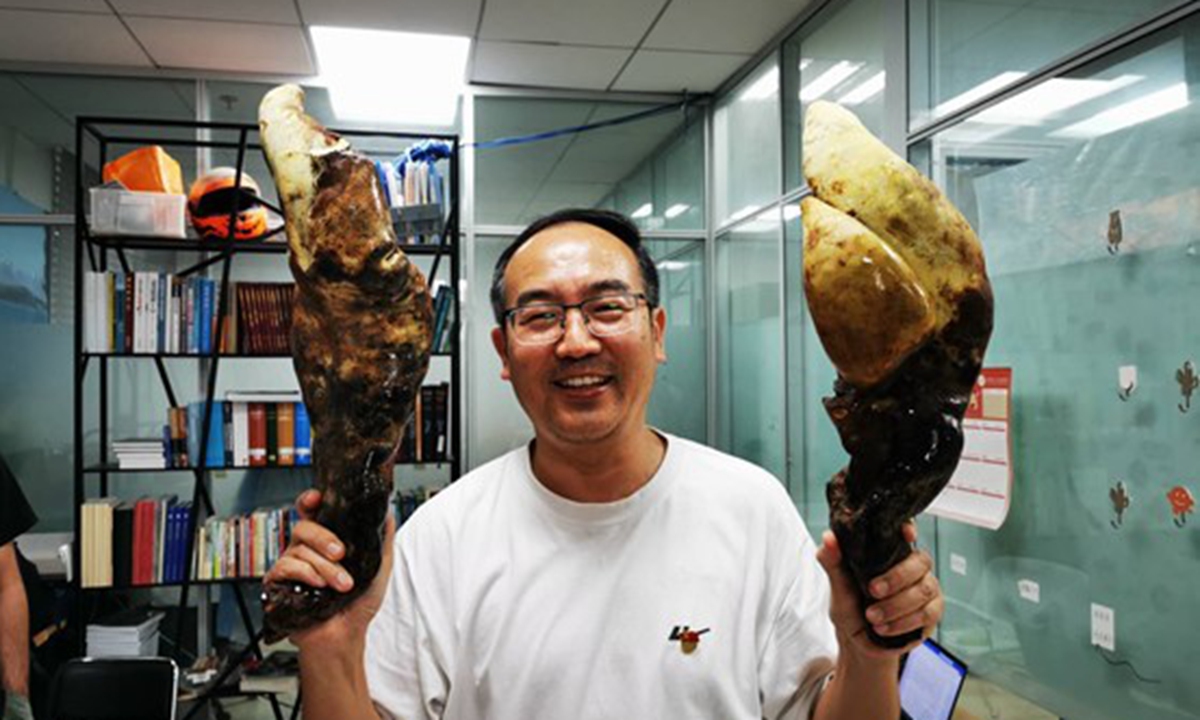
Exercise AUSTRAHIND 2026, the 5th edition of the annual India–Australia joint military exercise, commenced at the Foreign Training Node, Thiruvananthapuram, Kerala. Theme: “Joint Sub-Conventional Operations in Island and Coastal Environment under Chapter VII of the UN Mandate”. Indian contingent includes Garhwal Rifles. Focus: interoperability, surveillance-reconnaissance, protection of vital installations, and HADR contingencies; New Zealand joined as first-time observer.
Exercise AUSTRAHIND 2026: India-Australia Army drill
PIBPIB

19 October 2026

Reports

UNCTAD Report Flags Unequal Gains in Global Biodiversity-Based Trade

UNCTAD report on biodiversity-based trade flags unequal benefit-sharing: Africa and Latin America & Caribbean hold nearly two-thirds of global biodiversity but only 14% of 2024 biodiversity-based product exports. It urges sustainable production, more domestic processing and market access, and highlights valuing residues (Kenya pineapple-leaf fibre; Uganda banana-stem yarn; coconut coir ropes). Released ahead of UN Biodiversity Conference, Yerevan (Armenia), 19–30 Oct 2026, under CBD; Kunming–Montreal GBF (COP15, Montreal, Dec 2022) targets halting loss by 2030 (23 targets; 4 goals-2050; $700 bn finance gap; Target 3 “30-by-30”).

UNCTAD Report Flags Unequal Gains in Global Biodiversity-Based Trade
Down to EarthDown to Earth
Environment

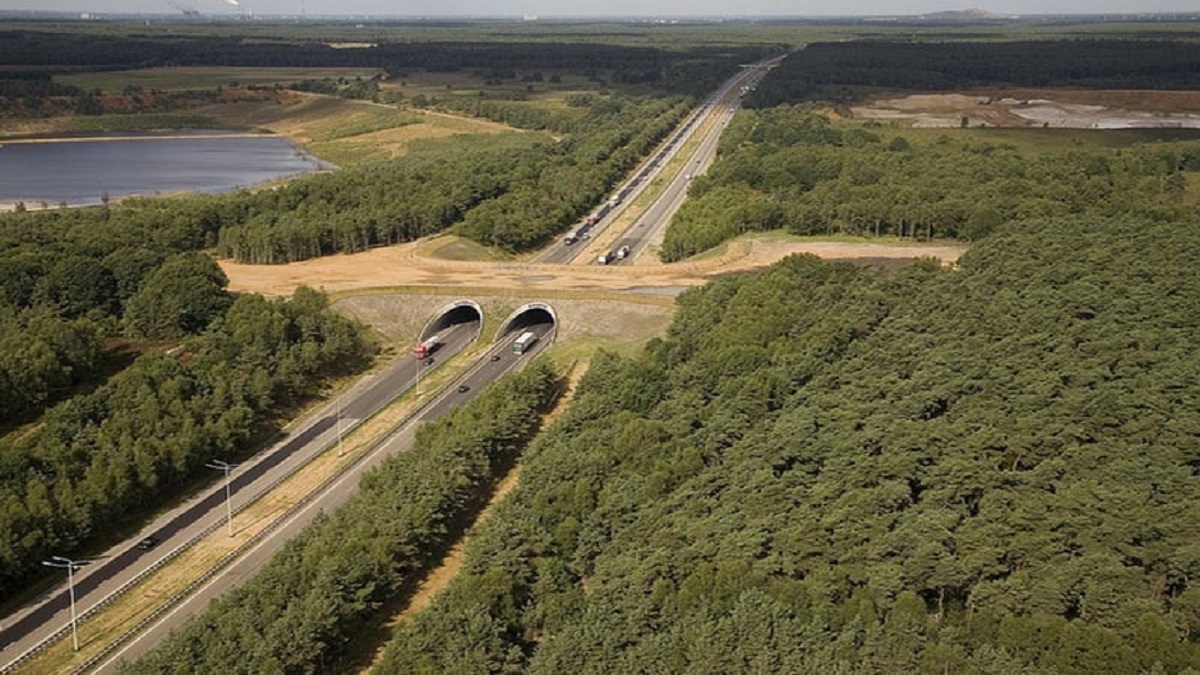
Wildlife Crossings Explained

Habitat fragmentation is division of continuous habitat into isolated patches due to highways/expressways, railway expansion, dams, mining, other infrastructure, and forest conversion to plantations/settlements. Impacts include roadkill, restricted access to food/mates/breeding sites, human–wildlife conflict, and local extinctions. Mitigation uses canopy/rope bridges (arboreal), and overpasses, underpasses, green bridges/ecoducts (terrestrial). Examples: Hoollongapar Gibbon Sanctuary (Assam) rail line; Valparai (Tamil Nadu); rope bridges in Melghat Tiger Reserve (Maharashtra); Srivilliputhur Grizzled Squirrel Sanctuary; Netherlands overpasses.

Wildlife Crossings Explained
The HinduThe Hindu
Governance

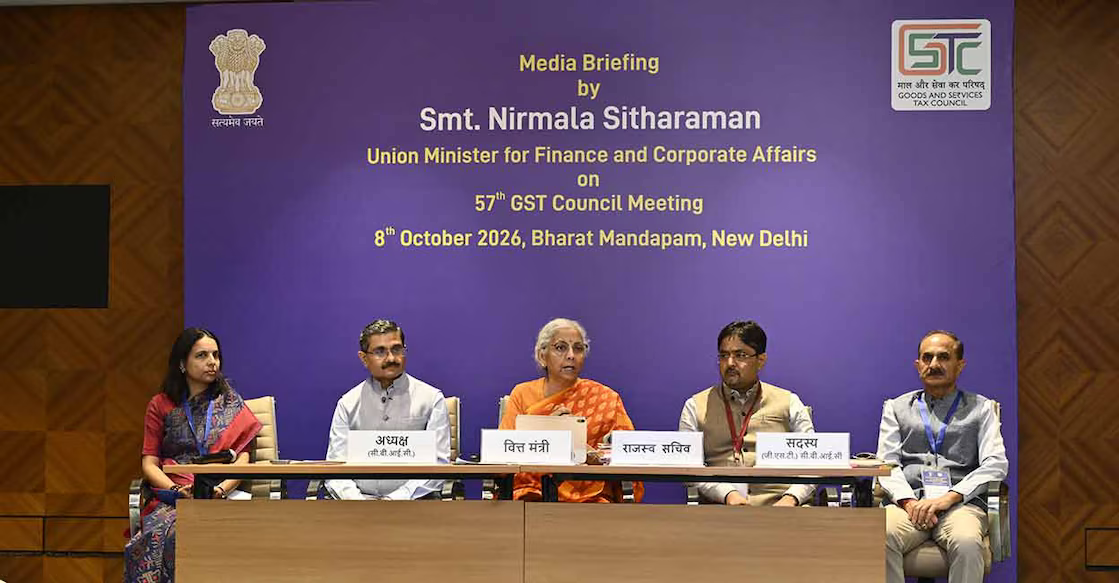
Centre Proposes GST Standing Committee with 12-State

Centre proposes a GST Standing Committee with representatives from 12 states; permanent members: Karnataka, Maharashtra, Uttar Pradesh, Gujarat and Tamil Nadu. Mandate: expand GST tax base, identify unregistered businesses, improve disclosures, and curb leakages via technology/data analytics; Centre to provide analytics/IT support; ~17 million registered taxpayers. B2C e-invoicing expected from 1 April; GSTN to introduce a customer invoice-generation app; incentives likely. GST is a destination-based value-added indirect tax (implemented 1 July 2017) under the 101st Constitutional Amendment Act, 2016; key provisions: Articles 246A, 269A, 279A, 270 and 366(12A) (excludes alcohol); GST Council chaired by Union Finance Minister; CGST/SGST/UTGST/IGST.

Centre Proposes GST Standing Committee with 12-State
Economic TimesEconomic Times
Science & Technology

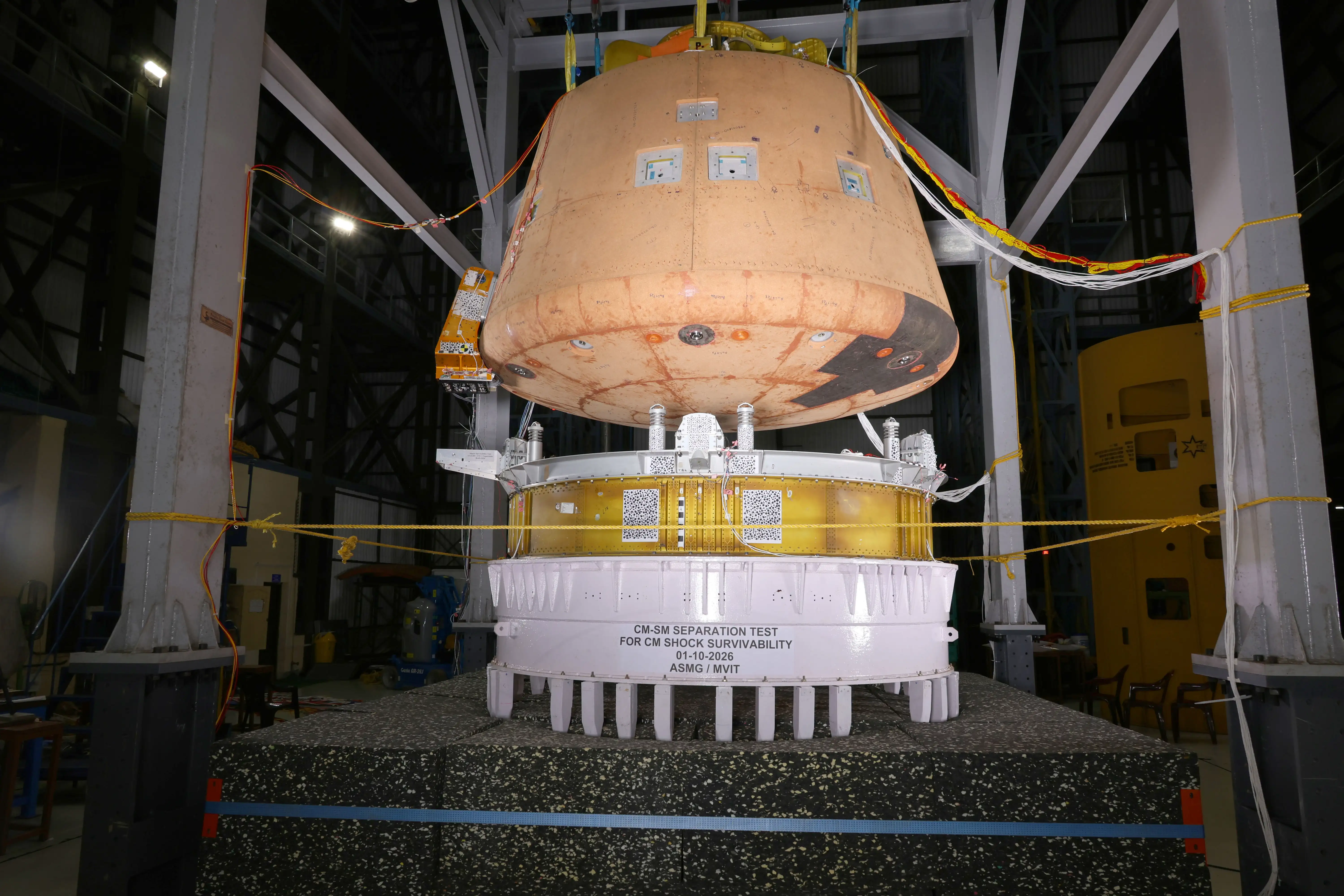
Gaganyaan G1 Mission : Crew Module-Service Module Separation Validation

ISRO completed Crew Module–Service Module (CM–SM) separation tests for the first uncrewed Gaganyaan (G1) mission, targeted in 2026, validating design reliability and shock tolerance. The setup at VSSC, Thiruvananthapuram, tested sequenced events using pyrotechnics, jettisoning and umbilical severing, plus avionics, inertial navigation, thermal protection/heat shield, deployable umbilical shield and uprighting. CM returns; SM supports; recovery splashdown in Indian waters. Gaganyaan targets 3 astronauts to ~400 km for 3 days.

Gaganyaan G1 Mission : Crew Module-Service Module Separation Validation
The HinduThe Hindu
Environment

CDRI-DoT-NDMA Study Maps Telecom Tower Vulnerability

A CDRI study with DoT and NDMA assessed telecom tower vulnerability to cyclones, floods, landslides, storm surges and seismic risk in Assam, Gujarat, Odisha, Tamil Nadu and Uttarakhand. Tamil Nadu: 48,416 towers; 57% high/very high cyclonic winds, 33% flood, ~14% storm surges >6 m. Assam: 18,388; 83% very high winds, 43% high flood, 5% high landslides; all towers in Assam and Uttarakhand lie in seismic Zones IV–V. Exposure need not imply damage; outages, fibre cuts, road damage and fuel shortages also disrupt services.

CDRI-DoT-NDMA Study Maps Telecom Tower Vulnerability
The HinduThe Hindu
International

IPCC Deadlock: India Seeks Extended Timeline for 2029

IPCC faces a deadlock on scheduling its next three assessment reports: a proposal targets completion by September 2028, ahead of UN climate talks in November 2028, while India and others seek extending Working Group II and III reports to 2029 for inclusive developing-country participation. IPCC (1988; WMO-UNEP; HQ Geneva; 195 members) assesses existing science (not policy/policy-prescribing). Reports inform negotiations, including Paris Agreement: WGI physical science; WGII impacts/adaptation; WGIII mitigation.

IPCC Deadlock: India Seeks Extended Timeline for 2029
The HinduThe Hindu
Science & Technology

Study in The Planetary Science Journal Reports 10,000+ Young Lunar Faults

A study in The Planetary Science Journal (October 2026) identifies over 10,000 young lunar faults using NASA’s Lunar Reconnaissance Orbiter Camera (LROC) images, linking them to the Moon’s gradual cooling and contraction. The Moon’s radius has shrunk ~45 m over 400 million years (6–11 cm per million years), forming lobate scarps; fault slippage can trigger moonquakes across the single-plate surface, informing Artemis mission safety. The giant-impact hypothesis is noted.

Study in The Planetary Science Journal Reports 10,000+ Young Lunar Faults
NDTVNDTV
Governance

Supreme Court Recognises Children’s Right to Internet Access Under Articles 21 and 19(1)(a)

The Supreme Court recognised children’s fundamental right to access and use the internet under Articles 21 (life and personal liberty) and 19(1)(a) (speech and expression), applicable irrespective of age. It held blanket bans disproportionate and ineffective, favouring targeted safeguards like parental consent, guidance and supervision, and child-mode accounts with age-appropriate moderation. Excessive restrictions may drive use of unregulated platforms and deter abuse reporting. POCSO Act, 2012 provides a legal framework; key stakeholders include intermediaries, law enforcement, MeitY, parents and courts.

Supreme Court Recognises Children’s Right to Internet Access Under Articles 21 and 19(1)(a)
The HinduThe Hindu
Environment

FSSAI Draft Regulations Propose New MRLs for Acetamiprid, Imidacloprid in Tea

On 16 October 2026, FSSAI (statutory body under Food Safety and Standards Act, 2006; under Ministry of Health and Family Welfare) issued draft regulations proposing revised Maximum Residue Limits (MRLs) in tea: Acetamiprid 20 mg/kg (20 ppm) and Imidacloprid 50 mg/kg (50 ppm), pending finalisation. MRL is the highest legally permissible pesticide residue level. Both are neonicotinoid insecticides; Imidacloprid references Codex standards (FAO-WHO). FSSAI revised residue norms in 2024 and delisted 13 higher-toxicity pesticides; India’s pesticide use is below 0.5 kg/ha (global 2.38 kg/ha).

FSSAI Draft Regulations Propose New MRLs for Acetamiprid, Imidacloprid in Tea
DD NewsDD News

18 October 2026

Science & Technology

Indian Study Identifies Martian Analogue Sites in Tamil Nadu and Chile’s Atacama Desert

A study identifies terrestrial geological formations in Tamil Nadu, India, and Chile’s Atacama Desert as prime Martian analogue sites for planetary exploration preparation, rover testing and astrobiological detection protocol validation. Martian analogues replicate Mars-like aridity, high UV, mineralogy and volcanic basements. Tamil Nadu’s ultramafic/basaltic rocks and secondary clays/iron oxides mirror basaltic crust and aqueous alteration. Atacama’s hyper-aridity, extreme UV and perchlorate soils mimic regolith chemistry, aiding India’s rover concepts, autonomous navigation, drill assemblies and biosignature studies, with collaboration among ISRO, PRL and academia.

Indian Study Identifies Martian Analogue Sites in Tamil Nadu and Chile’s Atacama Desert
PIBPIB
Environment

Kunming Institute of Botany Reports Dianjunus rex Giant Fungus

Kunming Institute of Botany researchers, with international collaborators, reported a new giant fungus, Dianjunus rex (“D-Rex”), from Yunnan, China (temperate coniferous forests and tropical rainforests). It establishes a new genus and family, Dianjunaceae, within order Xylariales. Molecular clock analysis indicates divergence ~65 million years ago, post K-Pg extinction. Stromata are Ascomycota’s largest; specimens are 20–50 cm, usually 250–600 g (max 2.2 kg). It emerges from roots/soil of recently dead trees; hypothesised endophyte-to-saprotroph.

Kunming Institute of Botany Reports Dianjunus rex Giant Fungus
Read moreRead more
Reports

Global Multidimensional Poverty Index 2024

Global Multidimensional Poverty Index (MPI) 2024 estimates 238 million people in India as multidimensionally poor. Introduced in 2010, it is published by UNDP and OPHI (University of Oxford) for 108 countries (78% of world population). It measures deprivations in health, education and standard of living; poverty is deprivation in at least one-third weighted indicators. Report cites 2025 global count: 1.2 billion poor (+51.5 million). In India, ~19% are vulnerable; standard of living contributes ~40%, with gaps in cooking fuel, sanitation, drinking water, housing and assets.

Global Multidimensional Poverty Index 2024
Down to EarthDown to Earth